Guinea-Bissau’s military rulers have announced a ban on all unauthorised press conferences and public statements, six weeks after seizing power in a post-election coup.
In a statement released on Friday, the High Military Command said some individuals and political groups had been holding secret meetings and making public remarks that could incite violence and undermine the country’s transitional charter.
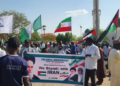

The army took control of the West African nation on November 26, shortly after a presidential election, ousting President Umaro Sissoco Embalo and suspending the electoral process. The junta has since declared it will govern the country for one year.
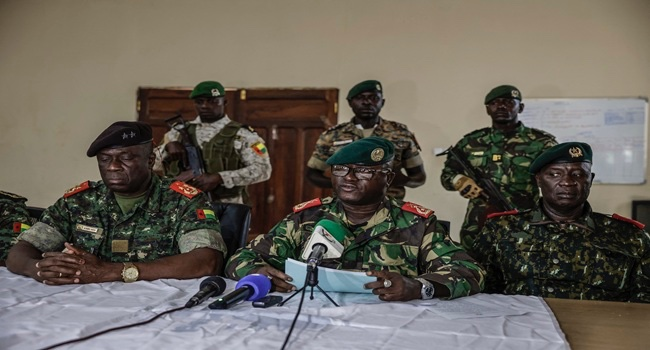
According to the military authorities, the new restriction is aimed at preserving peace and social cohesion during the transition period. The statement warned that anyone who defies the order would face severe sanctions under the law.
The transitional charter, published in early December, is intended to provide a legal framework for Guinea-Bissau under military rule.
Following the coup, the junta initially accused drug traffickers of plotting to destabilise the country, which is a known cocaine-trafficking route. However, authorities later said the country was facing a serious political crisis that could escalate into civil conflict with ethnic implications.
Opposition figures and observers have suggested the coup may have been engineered to halt the electoral process amid claims that Embalo was losing the vote.
Guinea-Bissau has a long history of political instability, having experienced multiple coups and attempted uprisings since gaining independence from Portugal in 1974.