Military authorities in Guinea-Bissau have set December 6 as the date for both presidential and legislative elections, despite regional pressure for a quicker return to civilian rule.
Transitional President Horta N’Tam signed the decree on Wednesday after consultations with the National Transitional Council, military officials, government representatives, and the country’s electoral commission. He told reporters that conditions for “free and fair elections” had now been met.


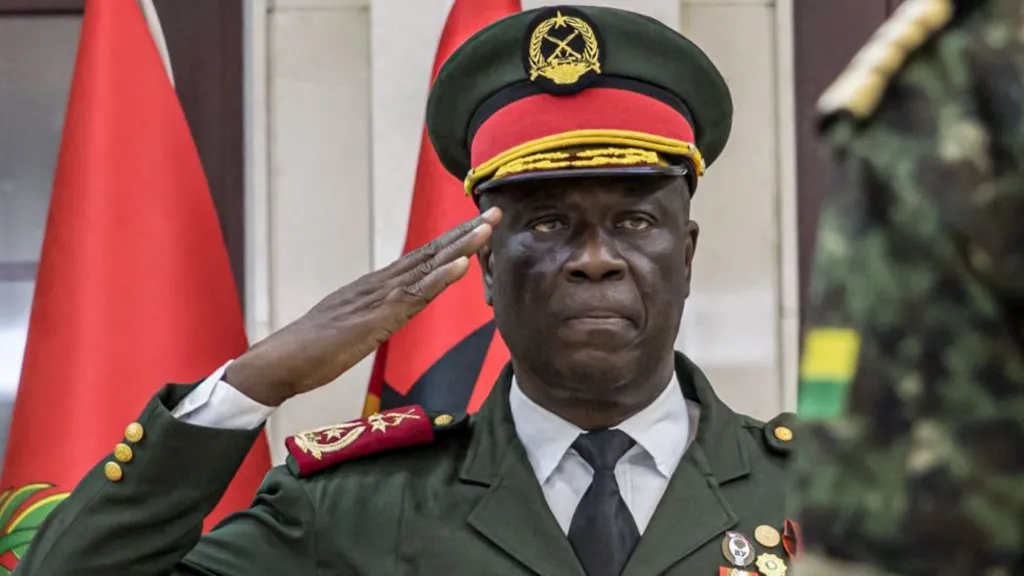
The announcement comes nearly two months after the military seized power from President Umaro Sissoco Embaló in November 2025, following disputed election results. Both Embaló and his main challenger, Fernando Dias, claimed victory, prompting the junta to justify its takeover as a move to prevent national destabilization. Critics, including former Nigerian President Goodluck Jonathan, described the coup as staged.
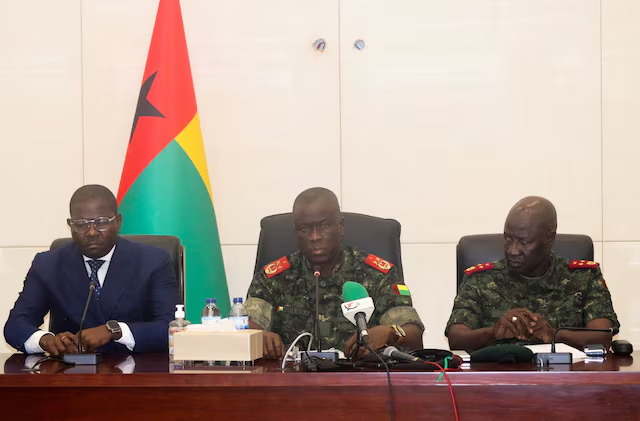
The West African regional bloc, Ecowas, had previously rejected the junta’s proposed one-year transition period, suspended Guinea-Bissau from its decision-making bodies, and threatened further sanctions if elections were not held sooner. It remains unclear how the bloc will respond to the new December 6 timetable.
Under the transitional charter adopted after the coup, N’Tam and his prime minister are barred from contesting the elections. However, analysts and regional observers remain cautious, noting a pattern among West African coup leaders of consolidating power and extending their rule, raising questions about whether Guinea-Bissau will follow suit.
The identities of presidential and legislative candidates are yet to be confirmed, and the country prepares for what could be a tense electoral period.