FIFA is set to deliver a decision on Monday regarding Nigeria’s petition against the Democratic Republic of Congo (DR Congo) over the alleged use of ineligible players, a ruling that could dramatically reshape Africa’s final 2026 World Cup qualification picture.
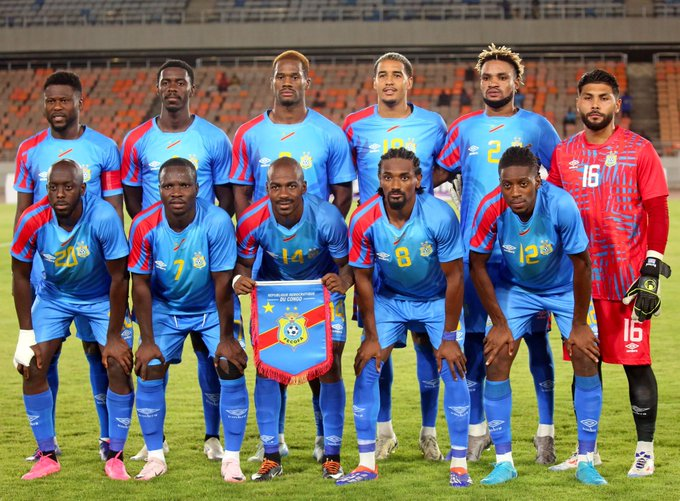
The meeting, scheduled for February 16, will consider multiple issues, including the Nigeria Football Federation’s (NFF) protest against DR Congo. A favourable ruling could see the Super Eagles reinstated into the intercontinental play-offs in Mexico later this month, where one of the final World Cup spots will be decided.


The NFF’s complaint centers on allegations that six Congolese players were ineligible during last year’s 2026 World Cup African play-offs, in which Nigeria lost to DR Congo on penalties in Morocco.
NFF officials have expressed confidence in their evidence. “We believe that we have a chance; that is why we petitioned. If we knew we didn’t have a chance, we wouldn’t have petitioned,” NFF General Secretary Mohammed Sanusi said, emphasizing that Nigeria followed due process in submitting all documents and legal arguments.
Adding a political dimension to the case is the reported involvement of CAF General Secretary Véron Mosengo-Omba, a Swiss-Congolese national with close ties to FIFA President Gianni Infantino. Both Nigeria and DR Congo are reportedly prepared to appeal to the Court of Arbitration for Sport (CAS) if dissatisfied with FIFA’s ruling, prompting the governing body to handle the case with exceptional care.
At the core of the dispute are FIFA’s nationality-switching regulations, which allow a player to change international allegiance only once and only through a formal, documented process approved by the federation.
According to the NFF, the Congolese Football Association misrepresented facts regarding the nationality of certain players, particularly given DR Congo’s domestic law prohibiting dual citizenship. Nigeria argues that FIFA may have been misled into clearing the players, even if their paperwork appeared valid on the surface.
Recent FIFA rulings in similar eligibility cases have encouraged Nigeria to believe that the federation will uphold regulatory consistency.
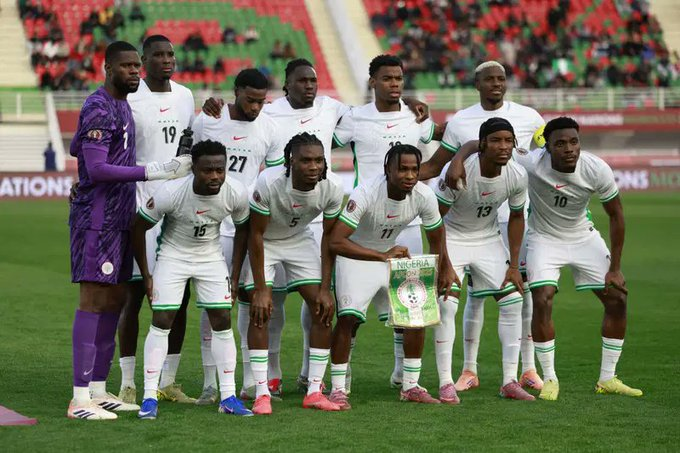
A successful appeal could see the Super Eagles face the winner of Jamaica versus New Caledonia in Mexico, with a coveted 2026 World Cup ticket on the line. Beyond the immediate sporting implications, the case could also set a precedent for how FIFA handles player eligibility disputes in an era of increasingly complex nationality laws and globalised football careers.
Shehu Dikko, Chairman of the National Sports Commission, suggested that the matter could eventually reach CAS. “It requires a lot of things, and by the time it is finally decided, whether Nigeria wins or DR Congo wins, I believe the case might even go to the Court of Arbitration for Sport,” he said.
The NFF submitted its petition to FIFA on December 15, 2025, challenging the eligibility of the six Congolese players who recently switched their international allegiance.