Flooding and powerful winds from Cyclone Gezani have raised Madagascar’s death toll to 59, with at least 15 people still missing, the country’s disaster management agency said on Monday.
The National Office for Risk and Disaster Management (BNRGC) said the cyclone, which made landfall on February 10, has displaced more than 16,000 people nationwide. The latest figures mark a sharp increase from an earlier reported toll of 43 fatalities.


Most of the deaths were recorded in Toamasina, the east coast port city formerly known as Tamatave and home to roughly 400,000 residents. The city bore the brunt of the storm, which tore through infrastructure and submerged large sections under floodwaters.
According to the BNRGC, approximately 25,000 homes were destroyed, while another 27,000 were flooded. More than 200 classrooms were partially or completely damaged, disrupting education in several communities.
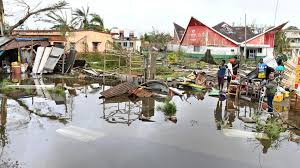
Gezani struck with winds reaching about 250 kilometres (160 miles) per hour, prompting the government to declare a national emergency. Images from the aftermath showed muddy water inundating central streets in Toamasina, with debris scattered between damaged buildings and shuttered businesses.
Residents have been lining up for food at emergency relief centres set up in schools, while health workers screen families for malaria amid concerns about waterborne diseases. The World Food Programme warned last week that the scale of destruction was “overwhelming,” noting that Toamasina was operating on only about five per cent of its electricity supply and had no access to running water.
China and France have dispatched assistance to support search-and-rescue operations.
The cyclone narrowly avoided causing major devastation in neighbouring Mozambique, passing roughly 50 kilometres offshore. Authorities there reported at least four deaths.
On Sunday, Pope Leo XIV expressed condolences and prayers for the people of Madagascar, who have endured two cyclones in quick succession.
Earlier this month, Tropical Cyclone Fytia struck the country’s northwest, killing at least seven people and displacing more than 20,000.
The back-to-back storms have once again highlighted Madagascar’s vulnerability to extreme weather events, which scientists say are becoming more intense due to climate change.