Nigeria’s football community is on edge as FIFA continues to delay a ruling on the eligibility of several DR Congo players who featured in last November’s Africa 2026 World Cup play-off—a decision that could determine whether the Super Eagles get a lifeline to the global tournament.
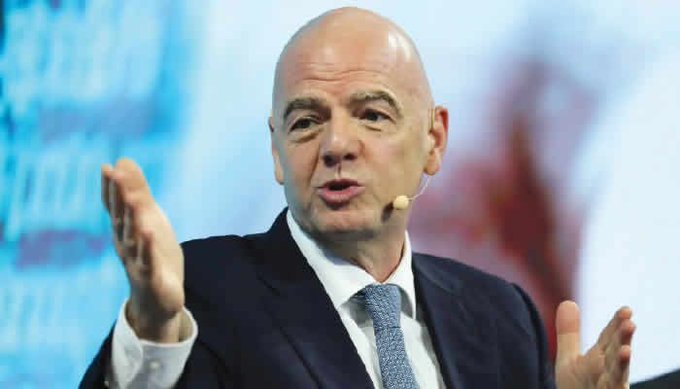
The dispute, first raised by the Nigeria Football Federation (NFF) in December, alleges that DR Congo fielded players such as Aaron Wan-Bissaka and Axel Tuanzebe in violation of Congolese law, which prohibits dual citizenship. Despite beating Nigeria on penalties to advance to an intercontinental play-off, the NFF insists the Leopards contravened FIFA regulations.
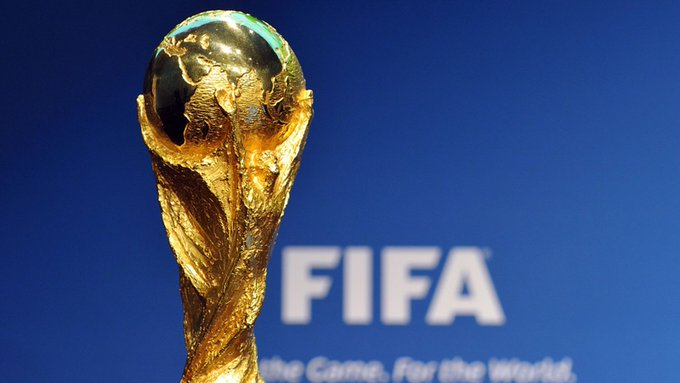
“The Congolese rule says you cannot have dual nationality, but some of their players have European and French passports. Our contention is that FIFA was deceived into clearing them,” NFF general secretary Mohammed Sanusi said.
The Congolese Football Federation has dismissed the protest as an attempt to “win via the back door.” FIFA confirmed it is reviewing the case but has not provided a timeline for a verdict. NFF director of communications Ademola Olajire added, “Any claims that a ruling has been made are false. FIFA has not communicated any verdict to us or to the Congolese federation.”
The stakes are high. Nigeria, bronze medallists at the 2025 Africa Cup of Nations, face the prospect of missing a second consecutive World Cup. DR Congo, meanwhile, aims to return to the global stage for the first time since competing as Zaire in 1974.
African football analyst Mamadou Gaye, speaking on SuperSport’s Soccer Africa, urged fans to remain patient. “We should wait for FIFA to make the decision. Remember that Bafana Bafana had points taken away right at the last minute. Nigeria should remain calm and prepared,” he said.
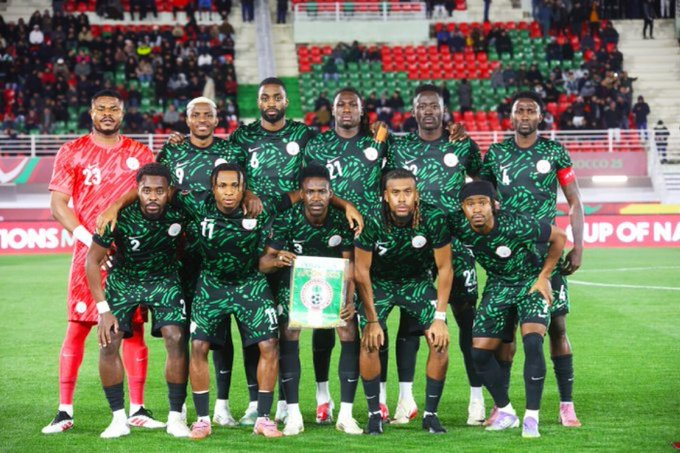
The delay has ignited debate on social media. Some fans, like @CHRISTOPHERTM_, expressed resignation: “We have already moved on. If we didn’t win on the pitch, then there’s no point holding on to false hope.” Others, like @Deoolu, were less optimistic: “Nigeria is never going to the World Cup. We should start preparing for 2030.”
The uncertainty also affects other nations. Jamaica, set to face DR Congo in the intercontinental play-off in March, has expressed concern that a late FIFA decision could disrupt training, travel, and tactical preparation.
For Nigerian players, the drawn-out process is stressful. Alex Iwobi said recently, “We are still waiting; hopefully, we can go to the World Cup.” Fans continue to call for clarity, frustrated by the ongoing administrative limbo.
With the intercontinental play-off approaching, the Super Eagles’ fate remains uncertain. FIFA’s decision in the coming weeks will determine whether Nigeria secures a last-minute reprieve or sees its World Cup campaign end through administrative channels despite on-field success.