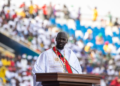
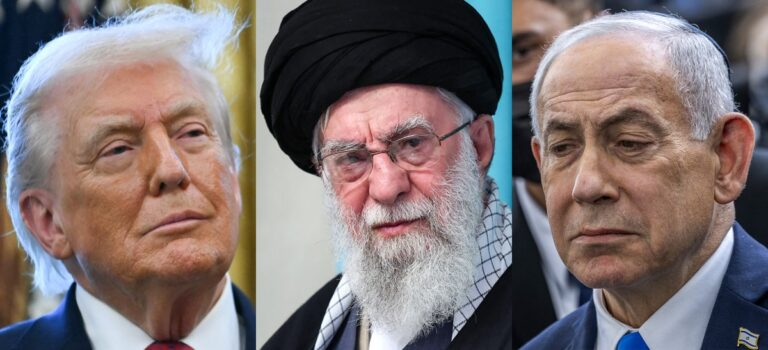
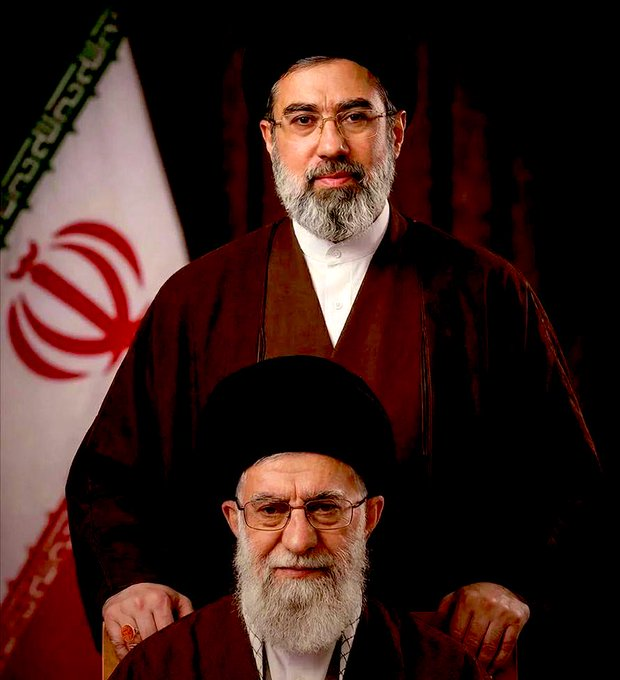
Iran has appointed Mojtaba Khamenei as its new supreme leader following the death of his father, Ali Khamenei, who was reportedly killed in a joint strike by the United States and Israel.
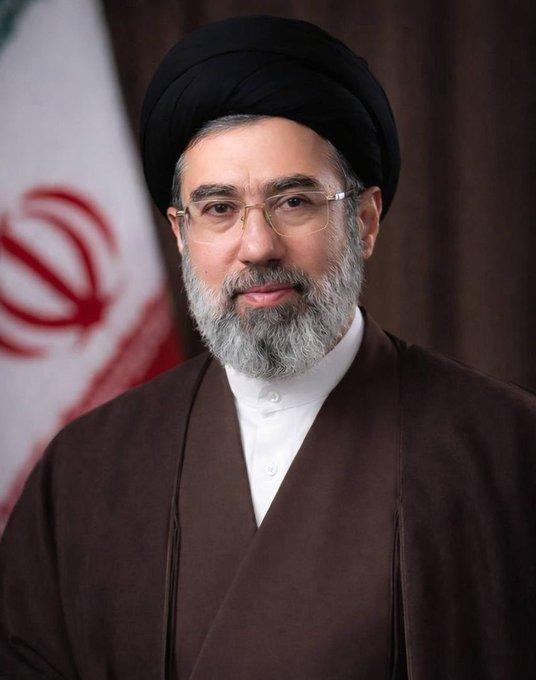
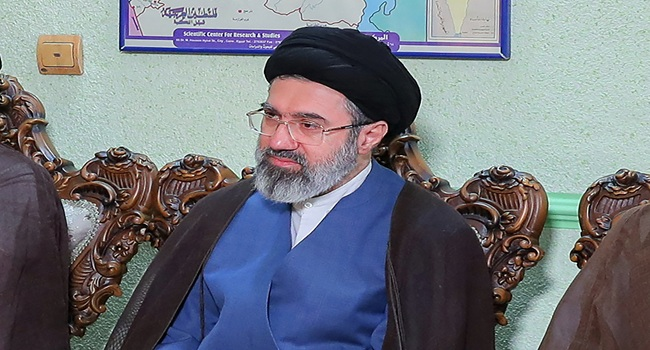
The decision was announced on Sunday by the Assembly of Experts, which said its members voted decisively to appoint Mojtaba Khamenei as the third leader of the Islamic Republic.
The appointment came nine days after the elder Khamenei’s death, an event that has intensified tensions and conflict across the Middle East.
In a statement, the Assembly of Experts said it acted quickly despite what it described as “aggression” from the United States and Israel.
However, Donald Trump criticised the appointment before it was officially announced, calling the younger Khamenei a “lightweight” and saying he should have a say in the selection of Iran’s new leader.
Iran rejected the comments, with Foreign Minister Abbas Araghchi stating that the choice of the country’s leader was an internal matter and that no foreign power would be allowed to interfere.
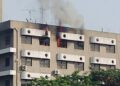
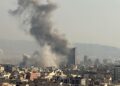
Meanwhile, the conflict in the region has continued to escalate. Israeli forces reportedly struck several oil facilities in and around Tehran, causing fires and thick smoke that covered parts of the capital.
Authorities in Tehran warned residents to stay indoors as the smoke could be toxic, while fuel distribution in the city was temporarily disrupted.
Iran’s Revolutionary Guards said they still have enough supplies to continue missile and drone attacks for several months.
Missile launches from Iran also triggered explosions over Tel Aviv, leaving several people injured, according to Israeli emergency services.
The ongoing conflict has affected other countries in the region. Saudi Arabia reported casualties from a military projectile, while Kuwait said fuel tanks at its international airport were hit.
According to Iran’s health ministry, more than 1,200 civilians have been killed and about 10,000 injured since the conflict began, though the figures have not been independently verified.
Analysts say there is still no clear path to ending the war, which U.S. and Israeli officials believe could last for several weeks. Meanwhile, global leaders, including Pope Leo XIV, have called for an end to the violence and urged dialogue to resolve the crisis.