Aboubacar Sidiki Diakité, a senior military officer convicted of crimes against humanity for his role in Guinea’s 2009 stadium massacre, has died in custody, authorities confirmed.
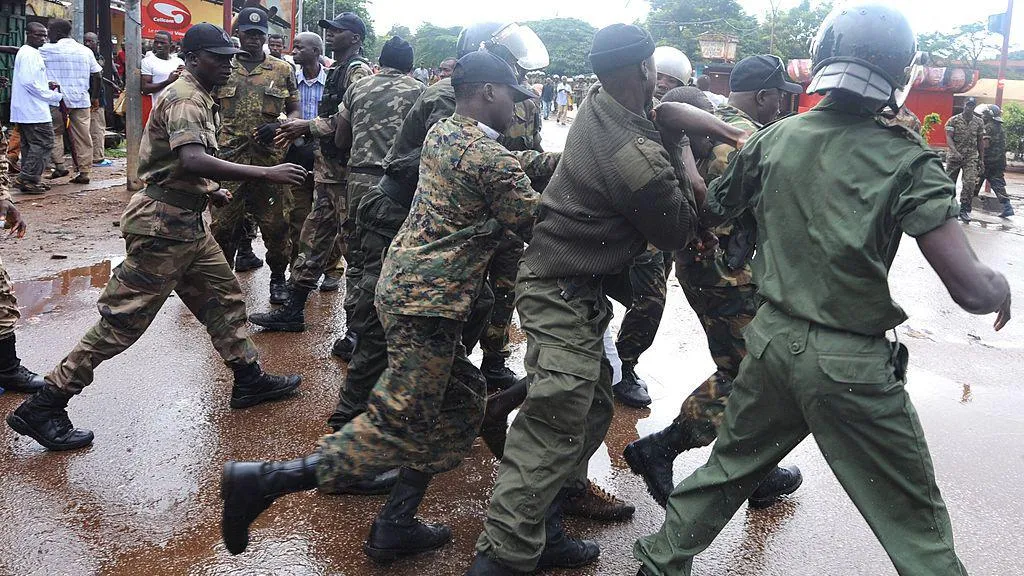
Diakité, also known as Toumba, passed away early Wednesday at Samory Touré Military Hospital in Conakry after suffering a medical emergency, the prison administration said. He was serving a 10-year sentence for his involvement in the massacre, which left over 150 people dead and at least 109 women raped during protests against military rule in the capital.


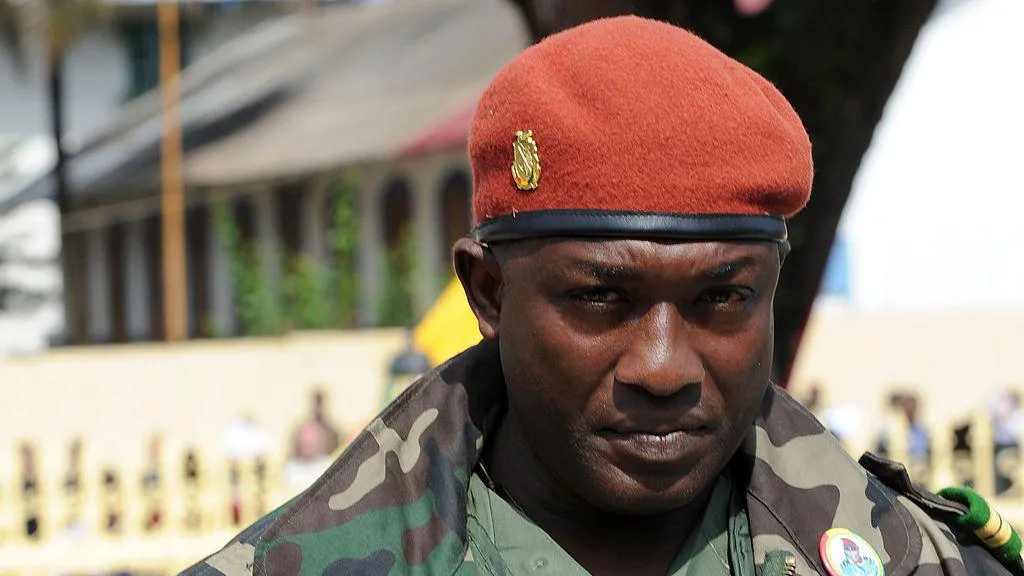
At the time of the massacre, Diakité commanded the presidential guard and was a close ally of then-military ruler Moussa Dadis Camara. Following the attack, Camara survived a gunshot wound, reportedly linked to Diakité, and subsequently fled into exile.
Diakité later escaped Guinea but was arrested in Senegal in December 2016 under a false identity and extradited back to Guinea in 2017. Despite his imprisonment, he remained politically active, forming a political party and attempting to run for president—efforts that were blocked by the Supreme Court.
The prison administration reported that Diakité presented symptoms of gastric swelling, abdominal pain, and constipation before his death.
His passing has reignited discussions in Guinea over justice and accountability for the 2009 massacre, one of the country’s darkest episodes. Political experts have described his death as “the end of an era,” warning that some of the full truth of the events may never be known.
Since the massacre, Guinea has faced repeated periods of instability, including military coups and contested elections. Camara was sentenced to 20 years for crimes against humanity in 2024 but was pardoned in March 2025 by current leader Mamady Doumbouya.
Diakité’s death raises new questions about the legacy of justice in Guinea and the future of accountability for the military figures involved in one of the nation’s most violent chapters.