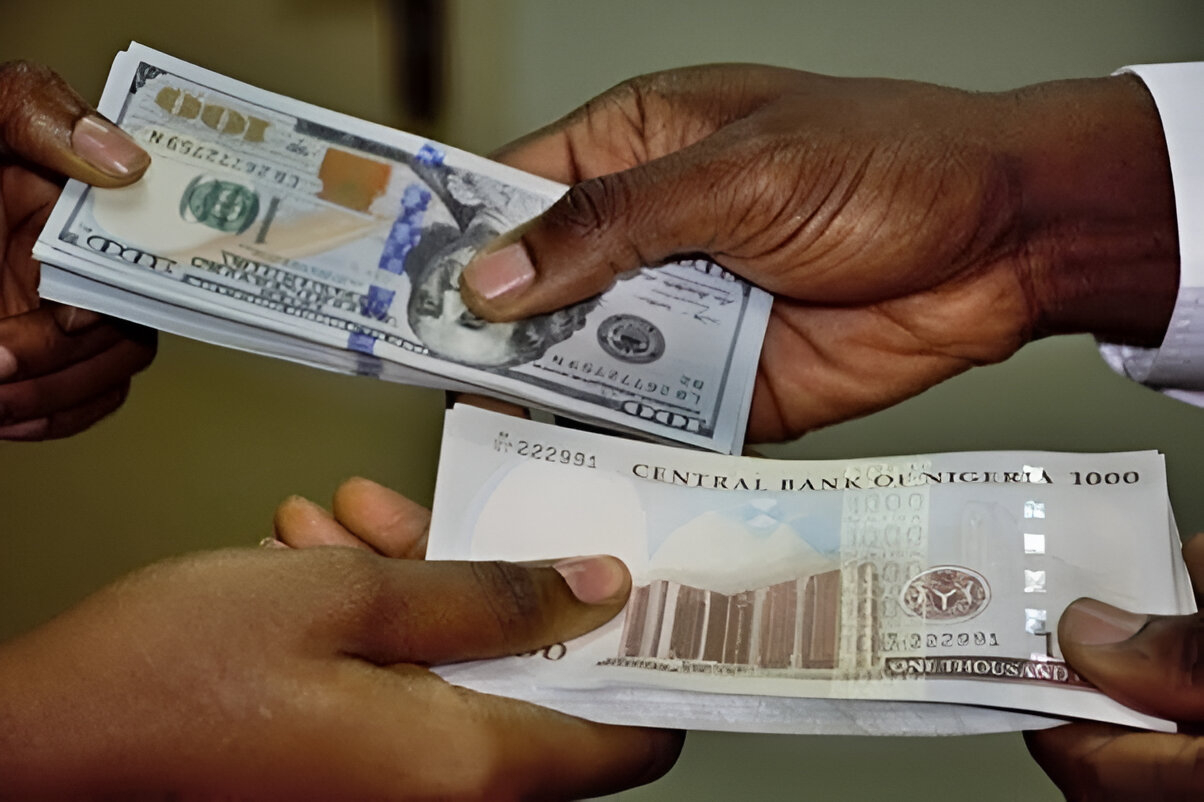
The Nigerian naira has depreciated to N1,391 per dollar, reflecting broader pressures in the foreign exchange market.
This decline is attributed to rising global inflation concerns and persistent geopolitical uncertainty linked to tensions involving Iran.


According to Central Bank of Nigeria (CBN) data, the local currency weakened from N1,383.5/$ recorded on Tuesday.
The strengthening of the dollar, driven by inflation expectations and risk sentiment, has continued to weigh on emerging market currencies, including the naira.
The CBN data shows that the naira traded within a defined range during Wednesday’s session, reflecting ongoing volatility in the foreign exchange market.
Key Market Indicators:
- NFEM Interbank Turnover: Declined to $55.7 million on Wednesday from $83.4 million recorded on Tuesday
- Number of Deals: Dropped to 64, down from 88 deals in the previous session
- External Reserves: Declined slightly to $49.57 billion on March 24, 2026, from $49.6 billion recorded on March 23, 2026.
The naira has faced sustained pressure in recent months due to a combination of global and domestic factors, including dollar strength, capital flow dynamics, and monetary policy tightening in advanced economies.