Ghana’s inflation rate has eased to 3.8% year-on-year in January, marking its lowest level since 2021 and extending its disinflation streak to 13 consecutive months.
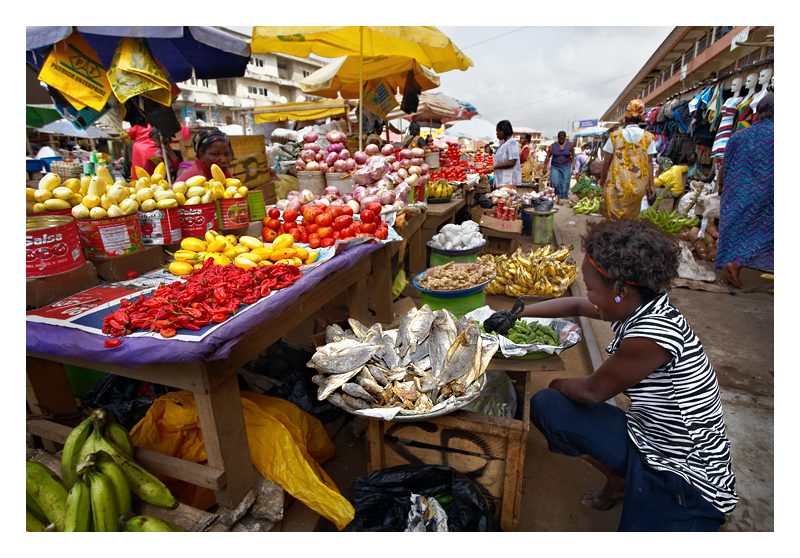
This decline is largely driven by a significant slowdown in food prices, which fell to 3.9%. Ghana’s Government Statistician, Alhassan Iddrisu, attributes this trend to broad-based moderation in prices across major components of the consumer basket.


In contrast, Nigeria, West Africa’s largest economy, is grappling with elevated price pressures, with an inflation rate of 15.5% in December 2025. The Central Bank of Nigeria projects headline inflation to moderate to around 12.94% in 2026, driven by declining food prices and lower energy costs.
Experts note that Ghana’s inflation success reflects fiscal reforms and coordinated monetary tightening.
Professor Ndubisi Nwokoma emphasizes that inflation figures depend on changes in prices of goods in the basket, and Ghana’s low inflation indicates small price changes.