Former Kaduna State Governor, Mallam Nasir El-Rufai, has come under heavy criticism following his claim that the phone of the National Security Adviser (NSA), Nuhu Ribadu, was bugged.
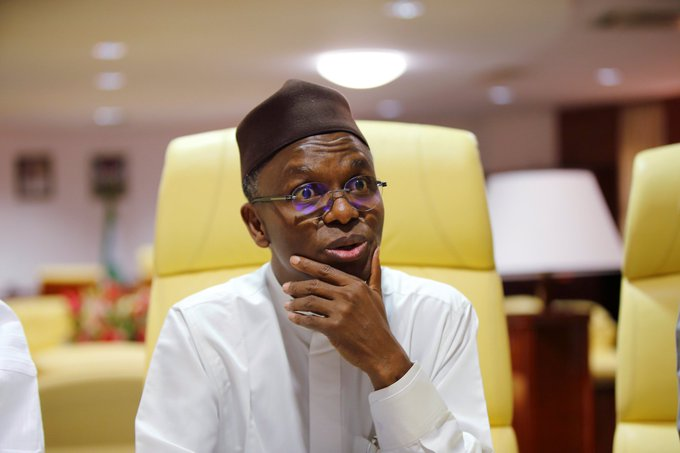
El-Rufai made the allegation during an appearance on Arise Television on Friday, where he said he learned of an alleged plan to arrest him through a leaked conversation from Ribadu’s phone. He admitted that the act was technically illegal but claimed that government agencies also engage in similar practices.


His remarks have since sparked reactions from presidential aides, politicians, legal practitioners and security experts, many of whom have called for an investigation.
The Special Adviser to the President on Information and Strategy, Bayo Onanuga, said El-Rufai’s admission suggested the existence of illegal wire-tapping facilities and called for a thorough probe. Similarly, the Senior Special Assistant to the President on Media and Publicity, Temitope Ajayi, said the former governor should be questioned and made to identify those responsible for the alleged interception.
A retired Director of the Department of State Services, Abdulrasaq Salami, described the claim as “extremely grave,” noting that tapping the NSA’s phone would amount to a serious breach of national security protocol. He said such an action could expose sensitive operational plans and undermine intelligence activities.
Another retired military intelligence officer, who spoke anonymously, warned that the allegation could affect Nigeria’s international security partnerships, as allies may hesitate to share intelligence if communication channels are perceived as compromised.
Security analyst Kabiru Adamu acknowledged that the technology to intercept high-level communications exists but said it is highly sophisticated and typically restricted to governments or specialised intelligence actors. He added that if El-Rufai’s claim is confirmed, it could warrant investigation.
Constitutional lawyer AbdulAzeez Rahman also stressed that unlawful phone tapping is illegal under Nigerian law. He cited Section 37 of the 1999 Constitution, which guarantees the privacy of citizens’ communications, and provisions of the Nigerian Communications Act and Cybercrime Act that criminalise unauthorised interception.
Meanwhile, former Kano State Governor Abdullahi Ganduje also called for El-Rufai to be investigated after the former Kaduna governor linked him to the disappearance of Kaduna-based activist Abubakar Idris, popularly known as Dadiyata.
In a statement, Ganduje described the allegation as reckless and unfounded, insisting that the incident occurred in Kaduna State and that responsibility for security at the time rested with the Kaduna State Government and federal security agencies operating there.
El-Rufai had claimed during the interview that a police officer allegedly confessed that operatives were sent from Kano to abduct Dadiyata. However, Ganduje’s camp dismissed the claim and called for evidence to support such a serious allegation.
The controversy has heightened political tensions as Nigeria approaches the 2027 general elections, with calls growing for a formal investigation into the claims.