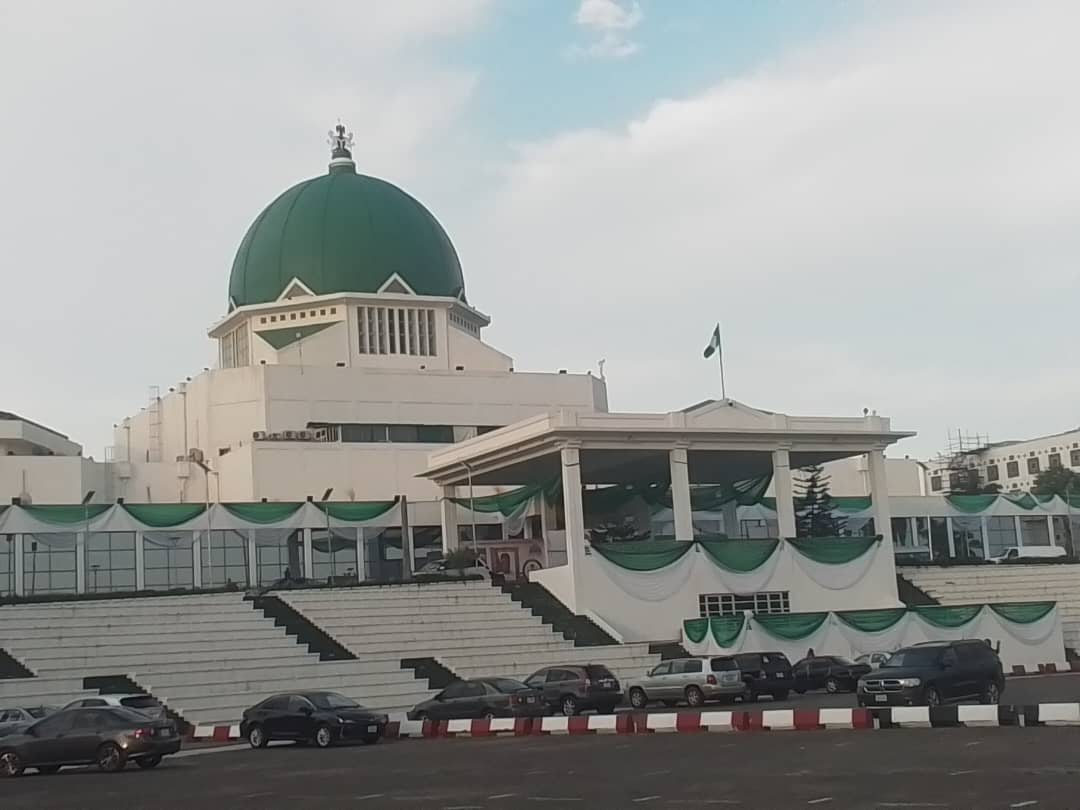
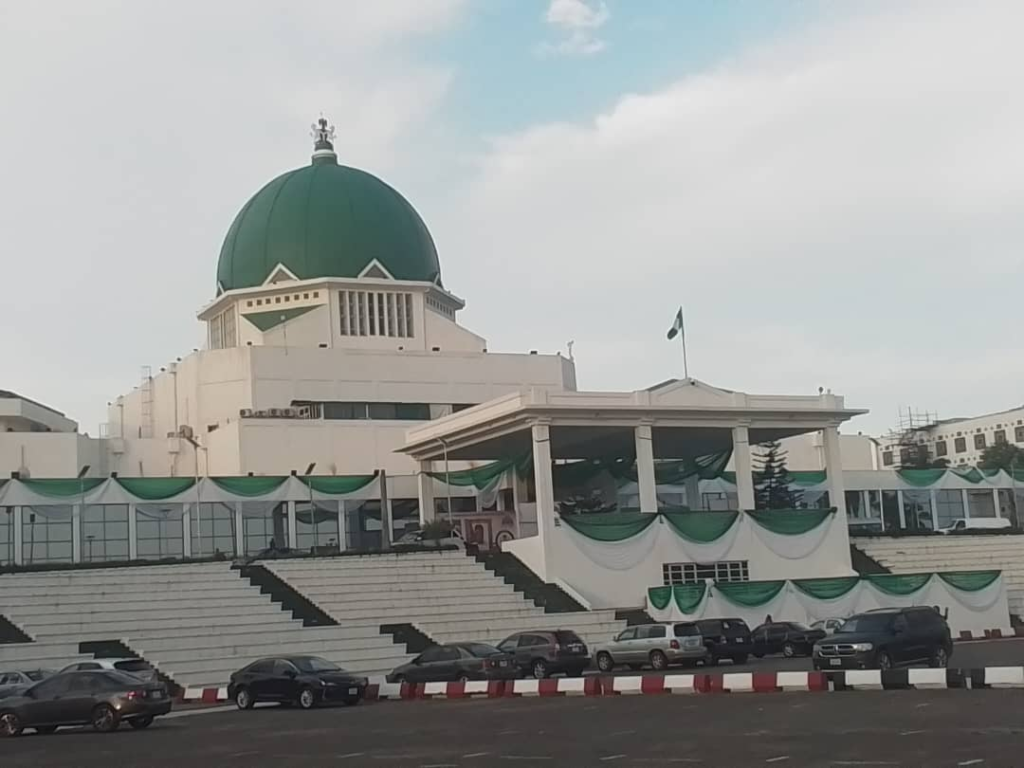
The National Assembly will reconvene plenary on Tuesday, February 17, 2026, cutting short its recess amid indications that lawmakers may reconsider the date fixed for the 2027 presidential election.
In a notice issued on Sunday and signed by the Clerk to the National Assembly, Kamoru Ogunlana, senators and members of the House of Representatives were directed to resume at 11:00 a.m., as “very crucial decisions” are expected to be taken by both chambers.


“I am directed to inform all Distinguished Senators and Honourable Members of the National Assembly that the Senate and House of Representatives shall reconvene plenary session at 11:00 am on Tuesday, 17th February 2026,” the notice read, urging lawmakers to adjust their schedules accordingly.
However, sources within the National Assembly told reporters that the emergency session is primarily to review the February 20, 2027 presidential election date earlier announced by the Independent National Electoral Commission (INEC).
One senator, who spoke on condition of anonymity, described the sitting as an extraordinary plenary aimed at amending the Electoral Act to accommodate concerns that the scheduled date falls within the Ramadan fasting period.
“The ultimate aim is to give legislative backing to INEC’s request to address concerns regarding the 2027 election slated to hold during Ramadan,” the lawmaker said, adding that the poll may be shifted forward by a week to February 13, 2027.
Another Senate insider said the move was intended to ensure inclusivity. “This session is about ensuring that every Nigerian, regardless of faith, has a fair opportunity to participate in the electoral process. The decisions we take could define the credibility of the 2027 elections,” the source noted.
INEC had earlier fixed February 20, 2027, for the presidential and National Assembly elections, and March 6, 2027, for governorship and state assembly polls. However, Muslim groups and prominent political figures raised objections, arguing that the February 20 date coincides with Ramadan, expected to run from February 7 to March 8, 2027.
Among those who called for a review was former presidential candidate Atiku Abubakar, who said the date falls “squarely within the Ramadan period,” potentially affecting participation by millions of Muslim voters. Former presidential aide Bashir Ahmad also urged the commission to reconsider the timetable in the interest of inclusiveness.
Responding to the concerns, INEC acknowledged the representations and said it remained sensitive to legitimate issues that could affect voter participation. The commission indicated it might seek legislative intervention where necessary, provided any adjustment complies with constitutional and statutory requirements.
The reconvening also comes amid ongoing deliberations on the Electoral Act (Repeal and Re-enactment) Amendment Bill, 2026. Last week, the Senate approved the electronic transmission of election results to INEC’s Result Viewing Portal (IReV) but stopped short of making it compulsory. It also rejected calls for mandatory real-time upload of results.
Under the revised provision, presiding officers are required to electronically transmit polling unit results after voting and documentation are completed. Where electronic transmission fails due to network challenges, manual collation using Form EC8A will serve as the basis for declaration.
Defending the removal of the “real-time” clause, Senate Leader Opeyemi Bamidele cited infrastructural limitations, including inadequate internet penetration and electricity supply. He noted that broadband coverage stands at about 70 per cent, while internet penetration is below 50 per cent, with significant portions of the population lacking access to grid power.
“By global standards, the real-time electronic transmission of election results may not be practicable at this stage of our development,” Bamidele said, arguing that lawmaking must reflect prevailing realities.
Meanwhile, the Joint National Assembly Conference Committee is expected to meet to harmonise differences between the Senate and House versions of the amendment bill. The reconciled bill will subsequently be transmitted to President Bola Tinubu for assent.
Political observers say Tuesday’s plenary could set the tone for the 2027 elections, particularly if lawmakers formally adjust the presidential poll date. The proposed shift to February 13 would mark a significant change driven by religious and public considerations, as Nigeria seeks to balance constitutional requirements, electoral integrity, and inclusivity ahead of the next general elections.