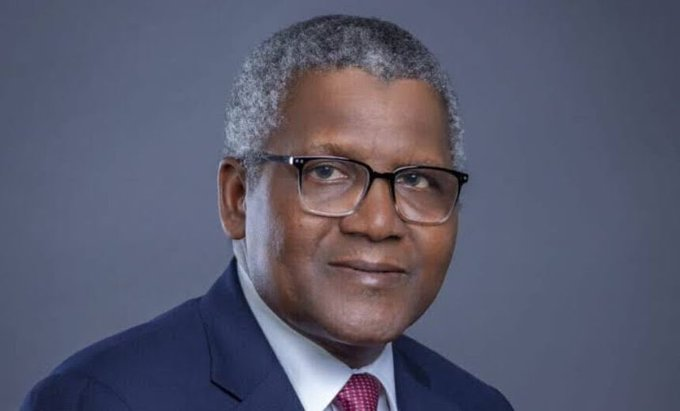
The Chairman of the Dangote Group, Aliko Dangote, has projected a significant strengthening of the naira, saying the currency could reach ₦1,000 to $1 in 2026.
Dangote made the prediction on Tuesday while speaking at the launch of the Nigeria Industrial Policy in Abuja, an event attended by Vice President Kashim Shettima, the Secretary to the Government of the Federation, George Akume, and other dignitaries.
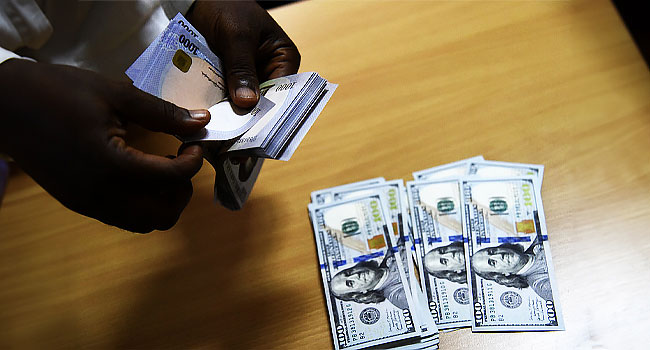
Currently trading at around ₦1,340 to the dollar, Dangote said ongoing government reforms and restrictions on imports are setting the stage for a stronger naira.
“I believe with the policies that you have implemented in government, people are starting to see results, and manufacturers are very happy,” Dangote said. “If we continue to block unnecessary importation, the currency could strengthen to as low as ₦1,100, and potentially even ₦1,000 to the dollar if we are lucky.”
He cautioned, however, that a stronger naira could reduce revenue from foreign exchange transactions, noting that a balance must be struck to protect the economy while encouraging local production. “We should be manufacturing all the things we need rather than relying on imports,” he added.
Dangote also called for stronger protection for local investors, including incentives and reliable infrastructure like electricity, which he described as a key challenge for doing business in Nigeria. He stressed that the industrial policy must be fully backed to drive industrialization, job creation, and economic growth.
Last week, billionaire businessman Femi Otedola also forecasted a stronger naira, predicting it could trade below ₦1,000 to $1 before the end of the year, citing increased domestic refinery capacity.
Vice President Shettima emphasized the critical role of the private sector in achieving the objectives of the Nigeria Industrial Policy, noting that Dangote Cement alone contributed ₦900 billion in taxes in 2025.
The policy aims to enhance value addition, industrial linkages, and export competitiveness, according to government officials. Representatives from the Manufacturers Association of Nigeria, the United Nations, and other industry leaders also attended the launch.