The United States Department of State has ordered the evacuation of non-essential staff and family members from its embassy in Abuja, citing a worsening security situation across the country.
In a revised travel advisory, the U.S. government placed Nigeria at Level 3: “Reconsider Travel,” warning of risks including crime, terrorism, civil unrest, kidnapping, and limited healthcare services.


The directive instructs non-emergency personnel and dependents of U.S. government employees to begin departing Nigeria, while urging American citizens to exercise extreme caution if travel is unavoidable.
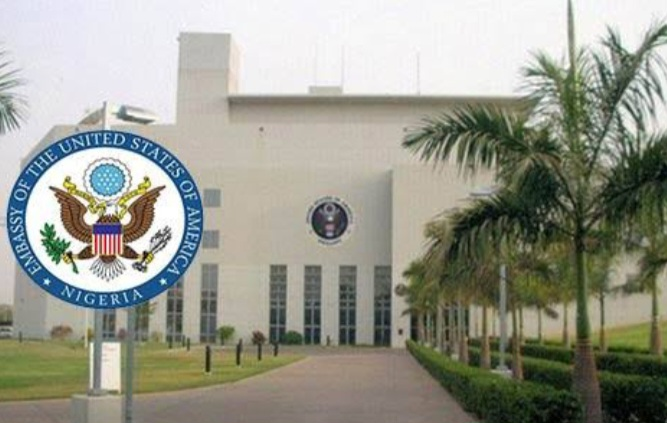
Several states were flagged as high-risk, with parts of northern Nigeria—including Borno, Yobe, Plateau, and Niger—designated at Level 4, meaning “Do Not Travel,” due to terrorism, crime, and kidnapping. Northwestern states such as Kaduna, Kano, Katsina, and Zamfara were also highlighted for insecurity linked to banditry and unrest.
In the southern region, the advisory warned against travel to states including Delta, Imo, Abia, Anambra, Bayelsa, Enugu, and parts of Rivers State, citing widespread crime, kidnapping, and the threat of violent protests.
The State Department noted that terrorist attacks remain a concern nationwide, particularly in public places such as markets, hotels, places of worship, and large gatherings. It added that U.S. citizens are often perceived as wealthy and may be targeted for kidnapping or other violent crimes.
The advisory also raised concerns about Nigeria’s healthcare system, describing medical services as inconsistent and below U.S. or European standards in many areas.
The department urged Americans to enrol in the Smart Traveler Enrollment Program (STEP) for real-time updates, avoid large gatherings, and establish personal safety measures while in the country.