The Presidency has clarified the controversy surrounding President Bola Tinubu’s approval of a ₦3.3 trillion plan to settle verified legacy debts owed to power generation companies (GenCos) between 2015 and 2025.
The initiative, part of the Presidential Power Sector Financial Reforms Programme, is aimed at stabilising Nigeria’s electricity market, improving liquidity in the sector, and enhancing power supply nationwide. According to the Presidency, ₦223 billion has already been disbursed under the repayment framework.


In a statement issued by the Special Adviser to the President on Information and Strategy, Bayo Onanuga, the government said implementation of the settlement plan has commenced, with 15 power plants already signing agreements worth about ₦2.3 trillion.
However, the approval has sparked concerns among GenCos, who questioned how the Federal Government arrived at the ₦3.3 trillion figure, citing discrepancies with previously reconciled industry records.
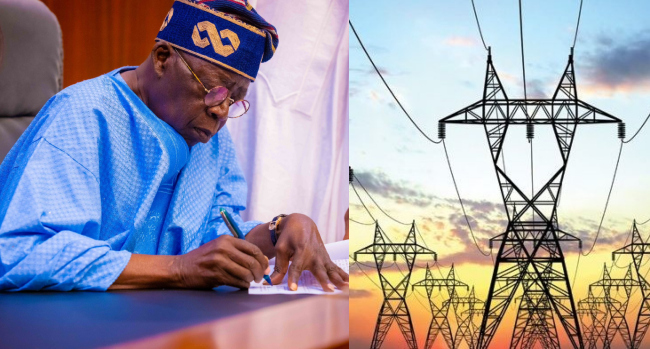
Responding, the Presidency explained that the debt settlement is part of a structured reform programme designed to address long-standing financial challenges in the power sector, not an arbitrary payout.
It said that between 2015 and 2025, the sector accumulated about ₦4.7 trillion in claims across the electricity value chain, which were subjected to verification following a Presidential stakeholder meeting in July 2025.
According to the statement, the Federal Executive Council later approved a ₦4 trillion fiscal cap in August 2025, after which a detailed verification exercise led to a 30 per cent reduction in claims, resulting in a final negotiated settlement of ₦3.3 trillion.
The Presidency added that payments will be made in phases through a market-based financing framework to avoid fiscal pressure, with disbursements tied to verified claims and signed agreements.
It also disclosed that as of early 2026, several GenCos have signed settlement agreements, with participation continuing to grow across the sector.
The government said the broader reform plan also includes tariff adjustments, targeted support for vulnerable consumers, and measures aimed at improving investment and service delivery in the electricity market.
Meanwhile, the Association of Power Generation Companies (APGC) has raised concerns over the computation of the debt figure, saying operators were not fully carried along in the process.
The Presidency, however, insisted that the programme is designed to restore transparency, improve liquidity, and reposition Nigeria’s power sector for long-term stability.