Djiboutians voted on Friday in a presidential election widely expected to extend the rule of President Ismail Omar Guelleh for a sixth term in the strategic Horn of Africa nation.
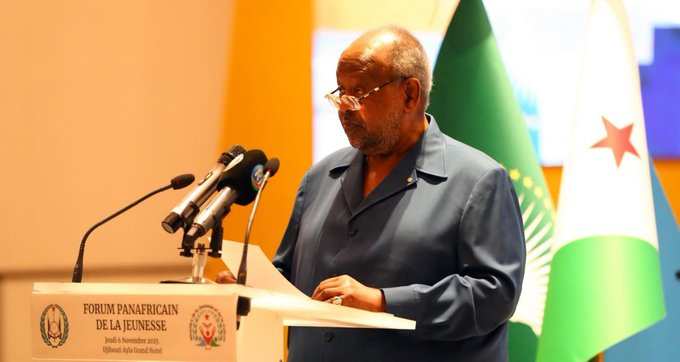
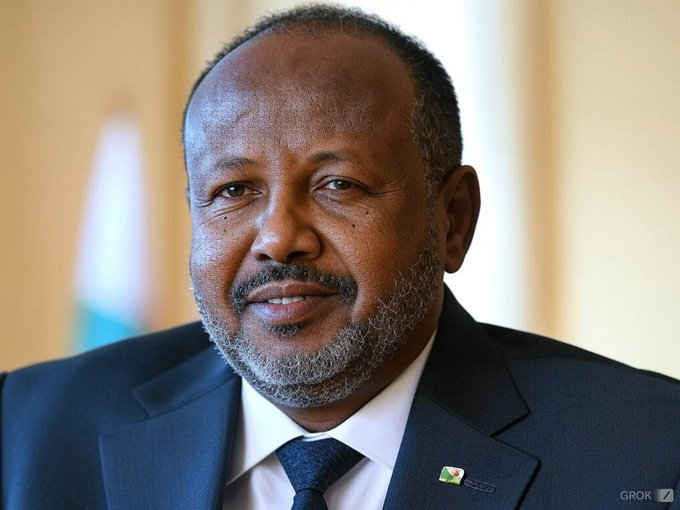
Guelleh, 78, faces only one little-known challenger, Mohamed Farah Samatar of the Unified Democratic Centre (CDU), as he seeks to extend his 27-year hold on power.


The election takes place in a country of about one million people that hosts several foreign military bases, including those of the United States, China, France, Japan, and Italy, due to its strategic location on key global shipping routes.
Guelleh had previously indicated he would step down, but a constitutional amendment removing the presidential age limit cleared the way for him to contest again.
Voting appeared slow in several polling stations, with reports of low turnout early in the day. In some locations, only a small fraction of registered voters had cast ballots within hours of polling.
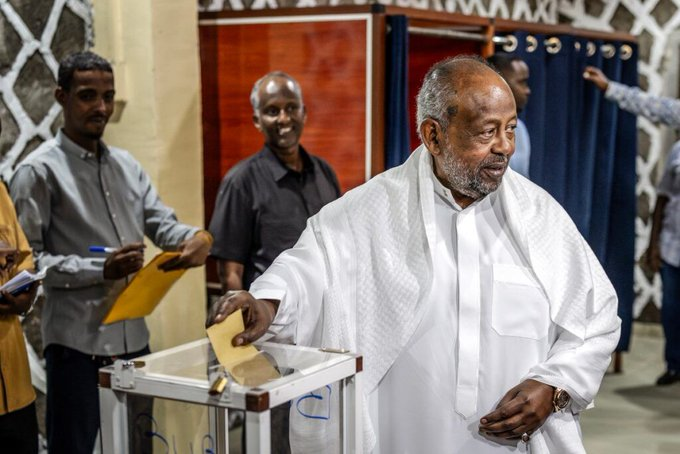
The incumbent voted in the capital, Djibouti City, alongside his wife, expressing confidence in victory, while his opponent cast his ballot earlier in the day.
Guelleh has dominated Djibouti’s political landscape since taking office in 1999, following the country’s first president, Hassan Gouled Aptidon. He has won previous elections with overwhelming margins, including more than 97 percent of the vote in 2021 when opposition parties largely boycotted the poll.
Supporters credit him with maintaining stability in a volatile region, while critics argue the election process lacks genuine competition.
Despite concerns raised by rights groups over political freedoms, many voters said they were motivated to participate, citing duty and continuity.
Djibouti’s economy relies heavily on its ports, which account for a large share of national income, though the country continues to face challenges including unemployment and rising debt.
Results of the election are expected shortly after polls close in the evening.