Libya’s rival eastern and western legislative bodies have reached a breakthrough, signing a US-mediated agreement to unify public spending across the country for the first time in more than a decade, the central bank announced on Saturday.
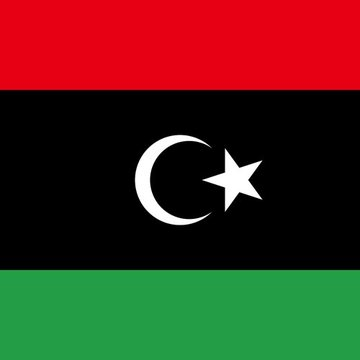
The North African nation has remained politically and economically divided since the 2011 uprising that led to the overthrow of longtime leader Muammar Gaddafi.
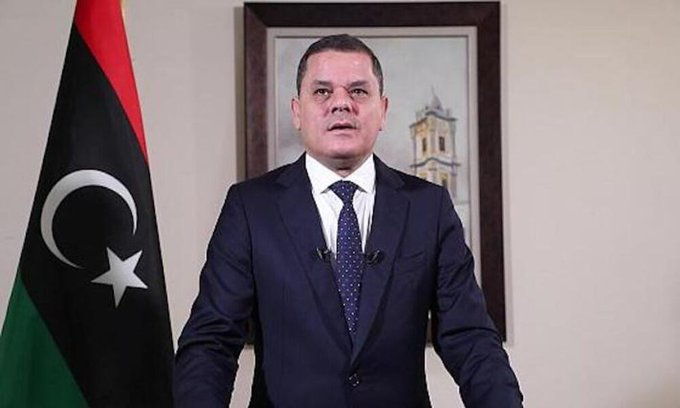
Currently, Libya is split between a UN-recognised government in Tripoli led by Abdulhamid Dbeibah and a rival eastern administration based in Benghazi, supported by military commander Khalifa Haftar.
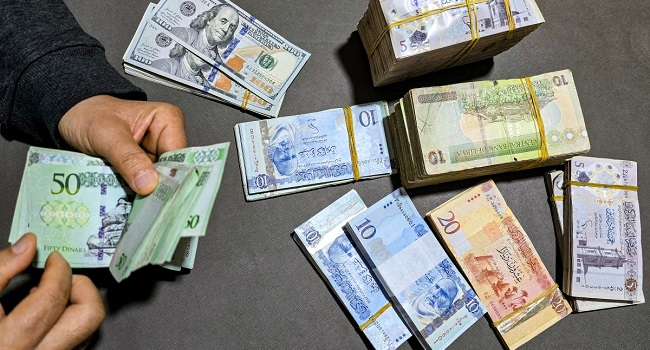
According to the central bank, the agreement marks a significant step toward aligning fiscal policy and improving the management of public funds, describing it as the first consensus on unified national spending in over 13 years.
The deal was signed by Issa Al-Arebi, representing the Benghazi-based House of Representatives, and Abdul Jalil Al-Shawish of the Tripoli-based High Council of State.
Despite earning about $22 billion in oil revenue last year—an increase of more than 15 percent—Libya continues to grapple with a foreign currency deficit estimated at $9 billion.
Earlier in the year, the central bank devalued the Libyan dinar by nearly 15 percent for the second time in less than 12 months, citing multiple challenges, including the absence of a unified national budget.
The bank expressed optimism that the new agreement would enhance financial stability, while also acknowledging the role of the United States in facilitating the mediation process.
Libya, which holds Africa’s largest proven oil reserves at approximately 48.4 billion barrels, currently produces around 1.5 million barrels of crude oil per day, with plans to raise output to two million barrels daily.
Dbeibah also commended US envoy Massad Boulos for supporting the negotiations, noting that while the agreement is a positive development, its success will depend on the commitment of all parties to deliver tangible improvements for citizens.