Voters in Benin head to the polls on Sunday to elect a new president, with Finance Minister Romuald Wadagni widely seen as the frontrunner following a decade of economic growth under the outgoing administration.

Nearly eight million registered voters are expected to participate in the election to choose a successor to Patrice Talon, who is stepping down after completing two five-year terms. Talon has endorsed Wadagni as his preferred candidate.



Wadagni, backed by the country’s two main ruling parties, faces opposition from Paul Hounkpe, whose campaign has remained relatively subdued. Hounkpe only secured a place on the ballot after receiving support from lawmakers aligned with the ruling majority.
Analysts say voter turnout could play a decisive role in the outcome, amid signs of apathy following a low-energy campaign and concerns over limited political competition.
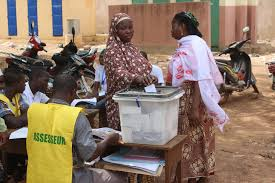
The main opposition party, The Democrats, is not fielding a candidate after its leader failed to secure the necessary parliamentary endorsements required to contest the election, raising questions about inclusiveness.
Despite the muted contest, the election comes after a decade of economic expansion in Benin, with gross domestic product reportedly doubling, consistent growth rates above six percent, and increased investment in tourism and infrastructure.

Wadagni, who has served as finance minister throughout this period, is seen as a candidate of continuity, expected to maintain existing economic policies if elected.
However, significant challenges remain. Poverty levels are still high, with more than 30 percent of the population affected, and many citizens say the benefits of economic growth have not been evenly distributed.
Security is another pressing concern, particularly in the northern regions where jihadist groups linked to Group for the Support of Islam and Muslims have carried out increasing attacks, mirroring instability in neighbouring Burkina Faso and Niger.

The next president will also face scrutiny over civil liberties, following criticism of an authoritarian shift during Talon’s tenure, which saw several opposition figures prosecuted and jailed.
Under recent constitutional reforms, the presidential term has been extended from five to seven years, with future elections synchronised to take place in 2033.
If elected, Wadagni is expected to rely on the support of the military, which recently helped thwart an attempted coup against the current government, as he navigates the country’s economic and security challenges.