Ethiopia will go to the polls on Monday in a general election widely expected to be dominated by Prime Minister Abiy Ahmed’s ruling Prosperity Party, amid a fragmented opposition and ongoing security concerns in parts of the country.
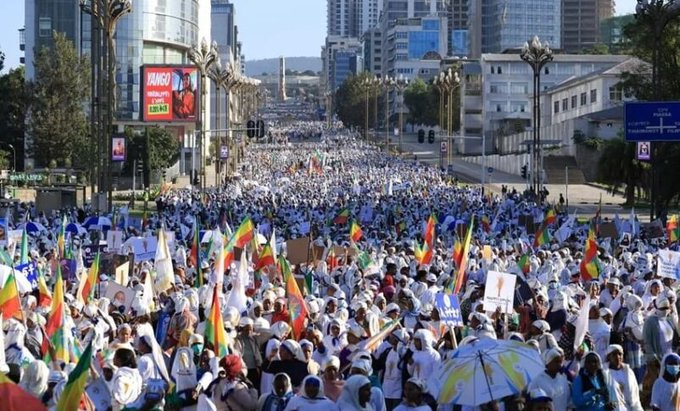
The ruling party, which already controls more than 500 seats in the House of Representatives, is projected to maintain its parliamentary majority, positioning Abiy for another five-year term in office.
About 50 million voters are expected to participate in the election out of Ethiopia’s estimated population of 130 million. However, insecurity in key regions, including Amhara and Oromia, is expected to affect voter turnout.
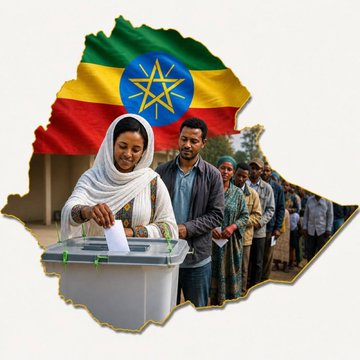
Under Ethiopia’s electoral system, citizens vote for members of the House of Representatives, who in turn select the prime minister. Voters will also choose representatives for regional councils.
This year’s election campaign has been shaped by calls for national reconciliation following conflicts in regions such as Tigray, Oromia and Amhara, alongside government promises of development projects aimed at boosting economic growth.
Former Kenyan President Uhuru Kenyatta is leading an African Union observer mission comprising 73 officials, tasked with monitoring the credibility of the electoral process. Speaking on arrival in Addis Ababa, Kenyatta stressed the importance of peaceful elections in Ethiopia, which hosts the African Union headquarters.
“Our role is to call for a peaceful situation, as Ethiopians are known for,” he said.
Despite international attention, Abiy’s administration continues to face criticism over alleged human rights violations against journalists and political opponents, claims the government has repeatedly denied.
Since coming to power, Ethiopia has endured significant internal conflict, including the devastating Tigray war in the north, which resulted in hundreds of thousands of deaths before a peace deal was signed in November 2022.
Although Abiy was awarded the Nobel Peace Prize in 2019 for resolving tensions with neighbouring Eritrea, relations between the two countries have since deteriorated, with Ethiopia accusing Eritrea of backing rebel groups—allegations Asmara denies.
Concerns remain that renewed tensions could destabilise the Tigray region, where humanitarian conditions remain severe. The Tigray People’s Liberation Front (TPLF) has been excluded from the election, leaving the region without representation in the federal parliament for a second consecutive cycle.
Opposition parties have criticised the electoral process, alleging bias in favour of the ruling party and restrictions on political activity.
“This system is far from genuine and democratic. It favours the ruling party, and we cannot freely operate or meet with our constituents,” said Mistresilasie Tamerat, head of the Ethiopian People’s Revolutionary Party.
Eyoel Solomon, spokesperson for the opposition Ezema party, also raised concerns about ethnic divisions, saying political tensions have contributed to attacks on citizens based on identity.
Security has been tightened in the capital Addis Ababa, where campaigning has been relatively subdued, with fewer rallies and limited grassroots mobilisation.
The National Electoral Board has declared Monday a public holiday to encourage voter participation, with government offices closed across the country.