The Ebola outbreak in the Democratic Republic of Congo (DRC) has claimed more than 300 lives, just over a month after health authorities declared the epidemic.
According to the National Public Health Institute (INSP), 304 people have died from the virus out of 1,115 confirmed infections recorded since the outbreak began on May 15, representing a fatality rate of 26.3 per cent.


The latest figures mark a sharp increase from the 202 deaths and 875 confirmed cases reported by the Africa Centres for Disease Control and Prevention (Africa CDC) on June 18.
The Red Cross has warned that the outbreak has not yet reached its peak and could take up to a year to bring under control.
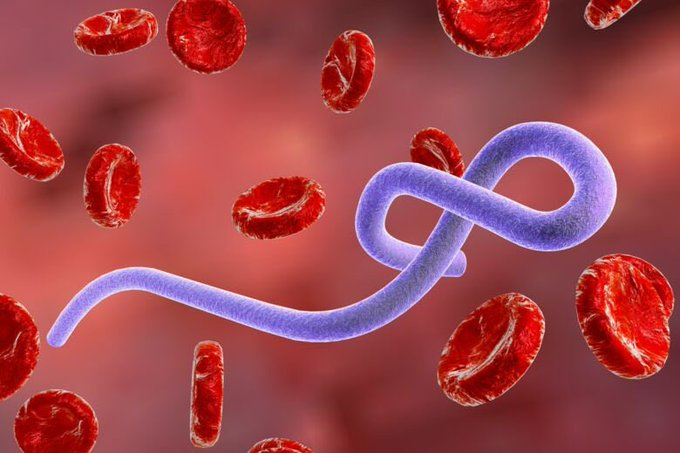
The current outbreak is caused by the Bundibugyo strain of the Ebola virus, for which there are no approved vaccines or specific treatments.
Health officials said the response has been complicated by insecurity in the eastern provinces of Ituri, North Kivu and South Kivu, where decades of armed conflict and population displacement have made disease surveillance and treatment more difficult.
Ituri Province remains the epicentre of the outbreak, accounting for more than 91 per cent of confirmed infections and over 82 per cent of reported deaths, with the provincial capital, Bunia, recording the highest number of cases.
Authorities have intensified containment measures in the affected areas, but many health facilities continue to face shortages of essential supplies, including personal protective equipment and disinfectants.
The INSP also disclosed that at least 78 healthcare workers have contracted the virus, while 18 have died during the response.
The outbreak has spread beyond the DRC, with neighbouring Uganda reporting 20 confirmed cases and two deaths, most involving Congolese nationals who crossed the border.
France also confirmed its first Ebola case linked to the outbreak after a Congolese doctor working for the humanitarian organisation ALIMA tested positive following his arrival in the country.
The World Health Organisation (WHO) has maintained that the risk of wider transmission in Europe remains low and has not recommended travel restrictions.
However, Air France has temporarily suspended flights to Kinshasa following the confirmed case.
Health officials have also raised concerns over mistrust among some communities, saying resistance to post-mortem examinations and the handling of victims’ bodies continues to hamper efforts to accurately track infections and contain the outbreak.