South Africa’s regional payment network just got its first new currency in more than a decade, with Angola’s kwanza now cleared for cross-border settlements.
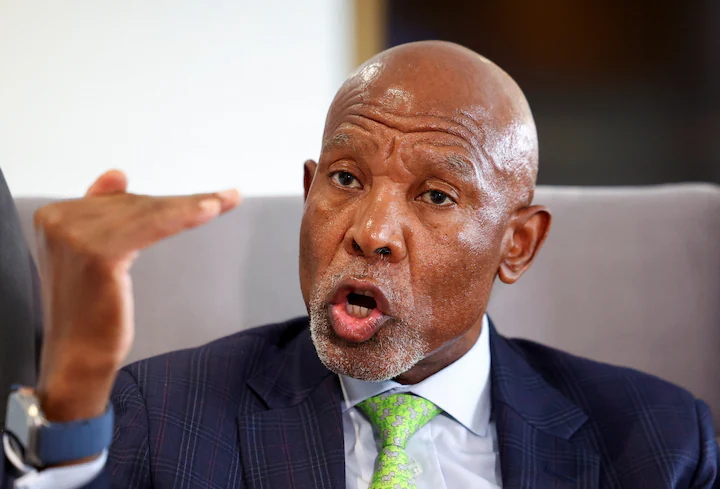
South African Reserve Bank Governor Lesetja Kganyago announced the addition on Monday in Pretoria alongside Banco Nacional de Angola Governor Manuel Tiago Dias. The move makes the kwanza the first currency other than the South African rand to be added to the Southern African Development Community Real-Time Gross Settlement system since it launched in 2013.


The SADC-RTGS system is run by the SARB on behalf of central banks in the region. It was built to replace expensive correspondent banking and allow real-time transfers between member states to boost trade and investment. The network now covers 15 countries and 89 participating banks.
Kganyago called the kwanza’s inclusion a sign of regional integration in practice. “It strengthens regional financial connectivity and it shows that Africa can build sophisticated financial market infrastructure that responds to African priorities,” he said.
The timing matters for trade volumes. According to SARB data, trade and interbank transactions between Angola and the other 14 SADC states totaled about $3.77 billion across nine currencies in 2025. South Africa made up nearly $2.99 billion of that, roughly 60% of volumes and 79% of value.
Payment reform has also been a focus during South Africa’s G20 presidency. Kganyago pushed for more interoperability and regulatory alignment across sub-Saharan Africa, where average person-to-person remittance costs remain above 4%. That’s well above the G20’s target of 1% by 2027.
The SADC-RTGS expansion sits alongside other continental efforts to cut payment friction, including the Pan-African Payment and Settlement System and the AfCFTA Protocol on Digital Trade.