An Islamic cleric’s remarks at a public event in Kano have triggered widespread criticism, with political leaders and rights groups warning the comments could deepen religious divisions ahead of the 2027 general election.
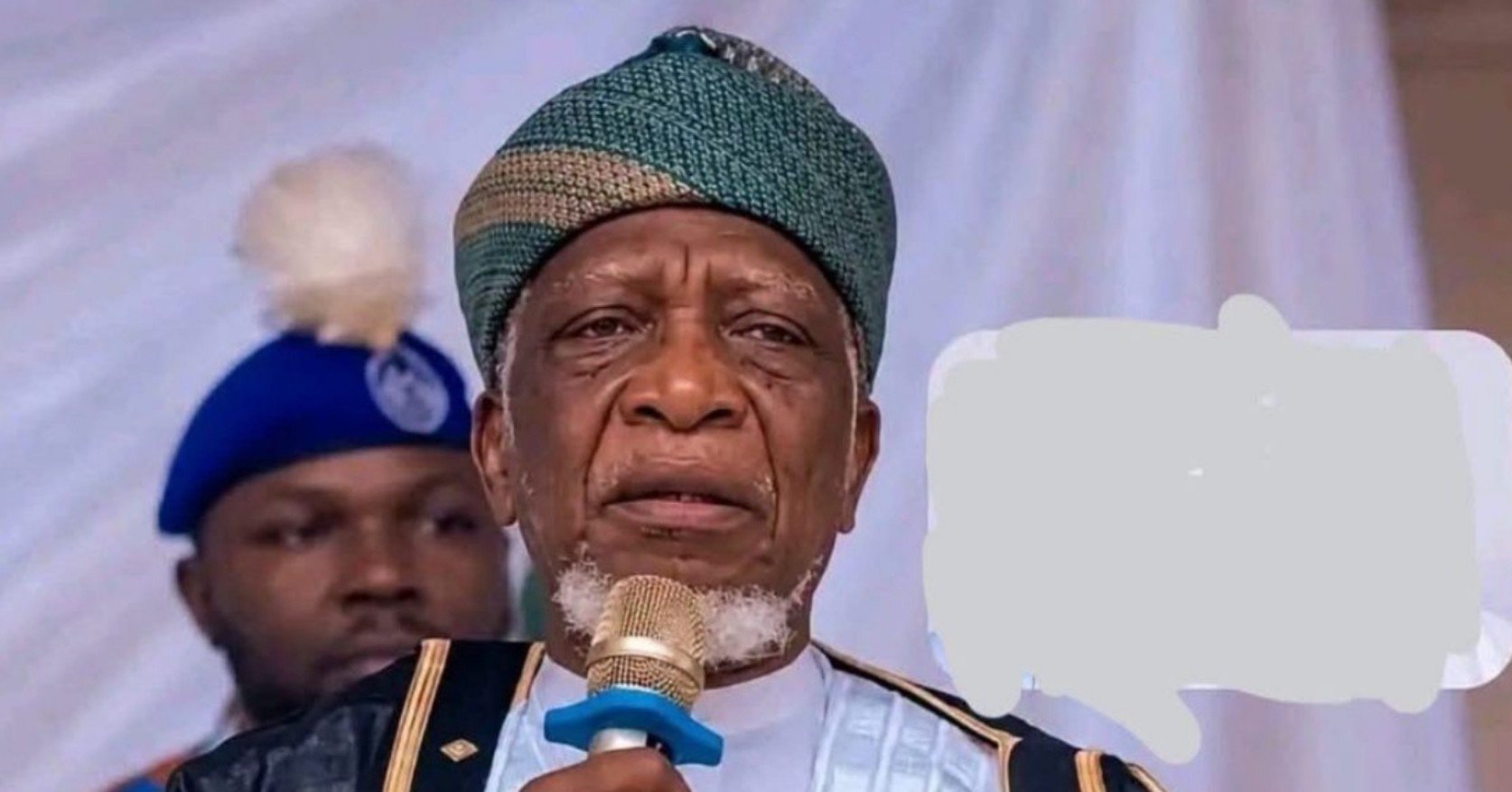
Sheikh Sani Yahaya Jingir made the comments on Monday during a mass wedding for 1,500 couples organised by the Kano state government. He urged Muslims to vote in a way that reflects their population size and to support a Muslim-Muslim presidential ticket in 2027.


Nigeria has long followed an informal arrangement of balancing presidential tickets along religious lines, typically pairing a Muslim with a Christian. The 2023 election broke that pattern when Bola Tinubu picked Kashim Shettima as running mate, the first Muslim-Muslim ticket since MKO Abiola and Babagana Kingibe in 1993.
In a follow-up interview with BBC Hausa, Jingir said he had no regrets and would continue to advocate for the idea.
“I have absolutely no regrets. I stand firmly by my words and will never apologise. I will continue to advocate for a Muslim-Muslim ticket,” he said.
He stressed that his position was rooted in his faith, not in support for Tinubu or former President Muhammadu Buhari. “I am not campaigning for Bola Tinubu, I am campaigning for my religion… it is strictly for the sake of Allah,” he added.
Jingir described political participation as a religious duty and said the pulpit should be used to educate followers. He dismissed accusations that his comments were inciting, saying he only advised people to vote according to their beliefs and that voters remained free to choose. He also claimed he had received strong support from Muslims in Kano.
The remarks drew swift condemnation.
Rabiu Musa Kwankwaso, NNPP presidential candidate in 2023, said in a post on X that statements promoting division should be rejected, especially from influential religious figures. “At this critical moment in our nation’s history, statements that promote division and disunity must be firmly discouraged,” Kwankwaso wrote, adding that the people of Kano do not support the remarks.
The National Human Rights Commission also weighed in. Executive Secretary Tony Ojukwu called the comments hateful and reckless, and said they undermine equality and peaceful coexistence guaranteed by the 1999 Constitution.
“The commission finds these remarks to be hate speech and incitement to religious hatred and potential violence,” Ojukwu said. “At a time when we are preparing for another general election, such utterances are reckless and dangerous.”
The NHRC urged the Inspector-General of Police and the DSS to investigate and prosecute Jingir for alleged hate speech, regardless of his status. It also called on religious, traditional, and political leaders to avoid divisive language and for Nigerians to judge leaders based on competence and service, not identity.
The commission said it will monitor the situation and work with INEC, security agencies, and civil society to ensure the 2027 elections are free from hate and violence.