The Democratic Republic of Congo (DRC) has resumed cobalt exports following a 10-month suspension aimed at curbing falling global prices, the government announced on Tuesday.
Cobalt, a key component in high-performance batteries for smartphones and electric vehicles, is largely sourced from the DRC, the world’s top producer of the metal.


Finance Minister Doudou Fwamba said the export halt, initially imposed for four months, was designed to protect “national sovereignty over raw materials” and stabilize prices amid global oversupply. “Since Friday, the Democratic Republic of Congo has resumed exporting its cobalt,” Fwamba told reporters.
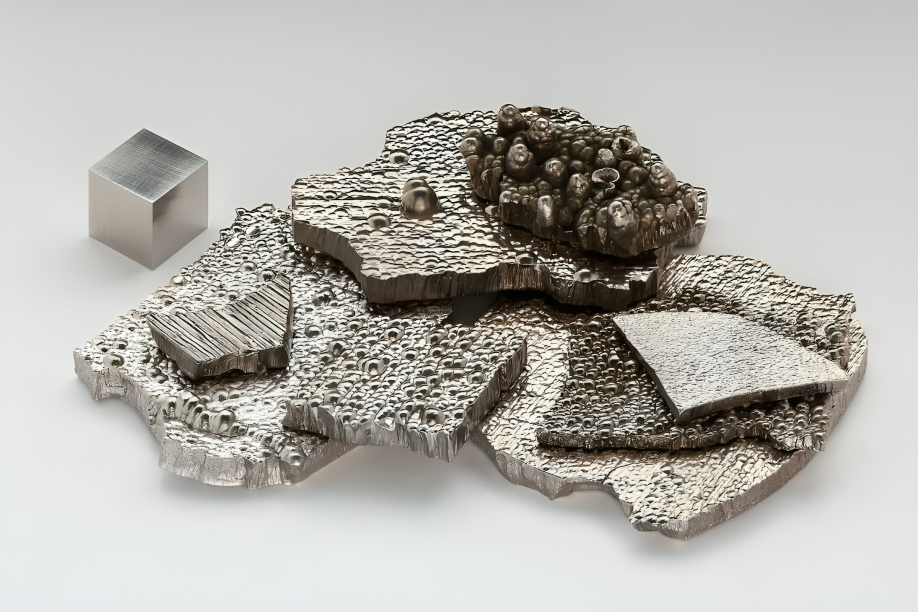
The ban had targeted oversupply, particularly from Chinese mining company CMOC, which operates the Tenke Fungurume and Kisanfu mines — two of the world’s largest cobalt producers. Fwamba added that the suspension successfully boosted prices from $22,000 per tonne to around $54,000–$55,000.
The DRC produced 76 percent of the world’s cobalt in 2024, according to the US Geological Survey, making it a critical player in the global supply chain.
Despite its mineral wealth, the country remains among the world’s least developed, with its mining sector linked to conflict, corruption, smuggling, and human rights abuses, particularly in artisanal operations that account for 3–5 percent of total cobalt production.
Most cobalt is mined in the southeastern Katanga province, which has largely avoided the armed conflicts affecting eastern provinces like North Kivu and South Kivu, where the Rwanda-backed M23 militia controls large areas.