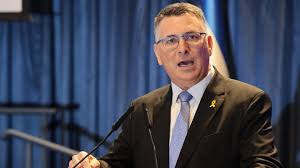
In a significant diplomatic follow-up, Israeli Foreign Minister Gideon Saar is visiting Somaliland today to meet with the region’s president.
The visit comes just ten days after Israel made the groundbreaking decision on December 26, 2025, to become the first UN member state to formally recognize Somaliland as an independent and sovereign nation.


The move, which Israeli Prime Minister Benjamin Netanyahu framed as being “in the spirit of the Abraham Accords,” has been celebrated by Somaliland’s government as a historic breakthrough after over 30 years of seeking international legitimacy.
However, the recognition has sparked a firestorm of criticism.
Somalia, which views Somaliland as an inseparable part of its territory, condemned the action as an “unlawful step” and an “attack” on its sovereignty.
This sentiment has been echoed by a host of regional and international bodies, including the African Union, the Arab League, and the European Union, who have reaffirmed their support for Somalia’s territorial integrity and warned that Israel’s move could destabilise the Horn of Africa.
The visit by Saar aims to institutionalize the new relationship, with plans for cooperation in areas like agriculture, technology, and maritime security.
Israel’s recognition is seen by some as a strategic play to gain a partner in a critical maritime region and to counter threats from groups like Yemen’s Houthis.
This new alliance has raised concerns at the United Nations, where several countries questioned if Israel’s motives included establishing military bases or even relocating Palestinians from Gaza, a notion Somaliland officials have denied.
While the United States has defended Israel’s right to conduct its own foreign policy, it has also stated that its own position of not recognizing Somaliland remains unchanged.
As Saar solidifies this new partnership on the ground, the diplomatic shockwaves from Israel’s decision continue to ripple across Africa and the Middle East.