Uganda has ordered a nationwide internet shutdown ahead of this week’s elections, in which President Yoweri Museveni is seeking to extend his 40-year grip on power.
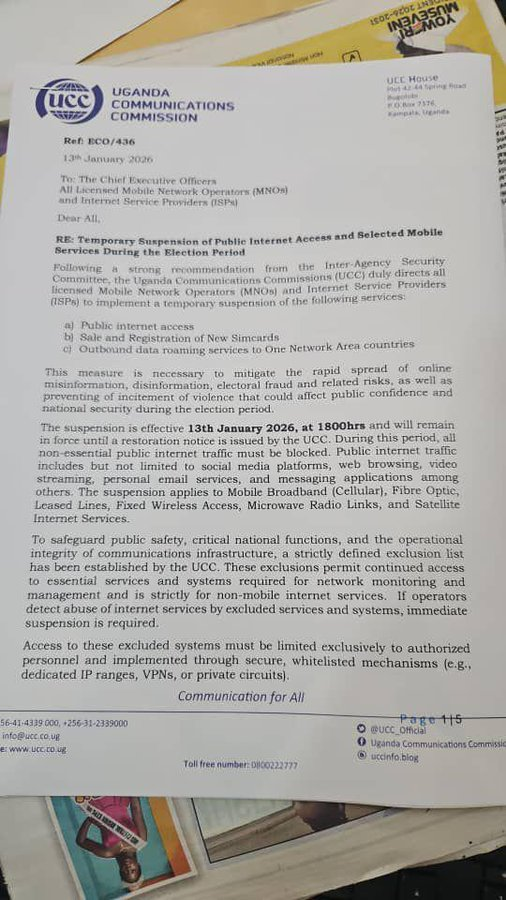
The blackout was directed on Tuesday, two days before the polls, according to a letter from the Uganda Communications Commission (UCC) to internet service providers. The directive, which was verified by government officials, said the measure was aimed at curbing the spread of online misinformation and disinformation, preventing electoral fraud, and stopping incitement to violence that could undermine public confidence and national security during the election period.

“This measure is necessary to mitigate the rapid spread of online misinformation, disinformation, electoral fraud and related risks, as well as to prevent incitement to violence,” the UCC said.
The government did not issue an official public statement on the shutdown. Officials told AFP that authorities were unwilling to publicly “own” the decision.
Uganda implemented a similar internet blackout during the 2021 elections, which were widely criticised over allegations of vote rigging and state-led violence against the opposition. The main challenger then, Bobi Wine — a singer-turned-politician — is once again contesting the presidency.
The latest shutdown contradicts earlier assurances by the government that internet access would not be restricted during the election. In a post on X dated January 5, authorities dismissed such claims as “false, misleading, and intended to cause unnecessary fear and tension among the public.”
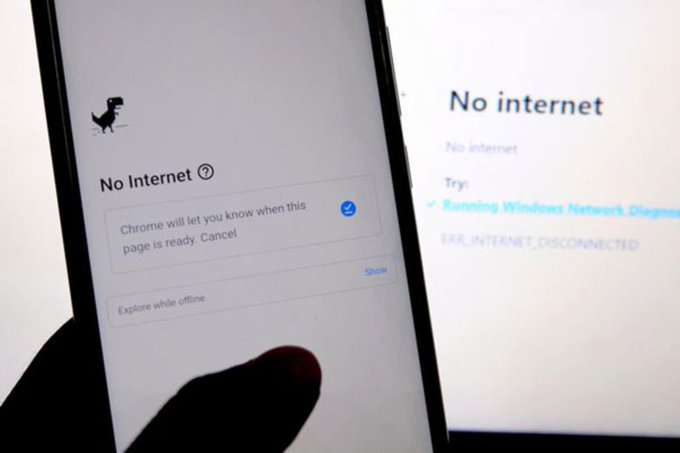
According to the UCC directive, the suspension was scheduled to take effect from 6:00 pm local time (1500 GMT) and would remain in place until further notice. Essential state services, however, were exempted from the restriction.