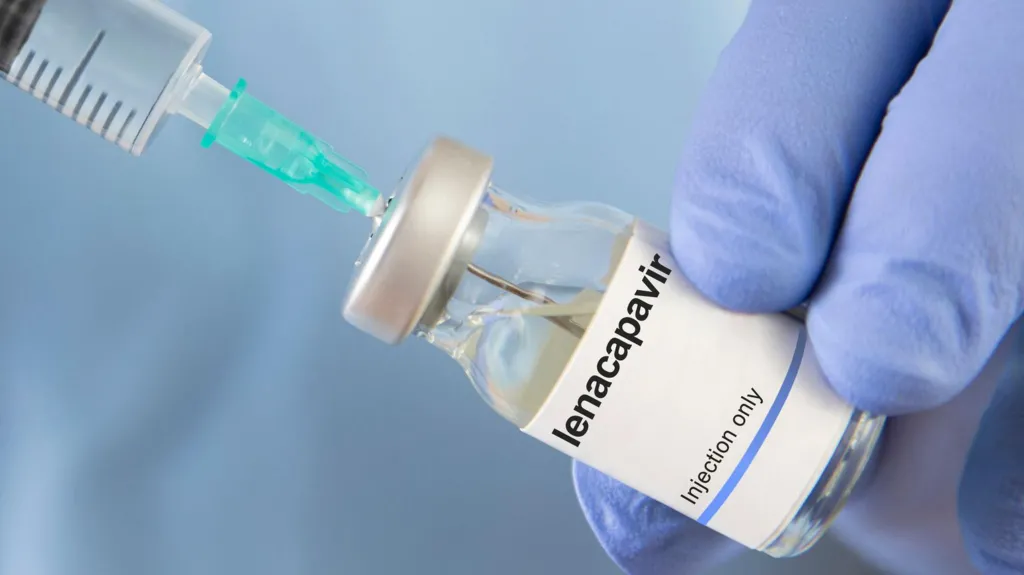
Kenya is set to roll out a new HIV-prevention drug, lenacapavir, across 15 priority counties starting in March, the Ministry of Health announced on Wednesday. The drug, administered twice yearly, is designed to lower the risk of HIV transmission by more than 99.9%.
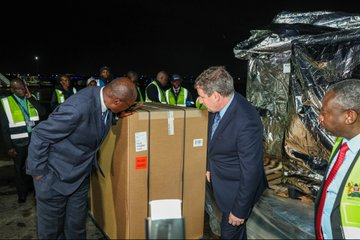
Health Minister Aden Duale said the first phase of the rollout would cover 15 counties, with an additional 12,000 continuation doses expected by April. Kenya received its first batch of 21,000 doses on Tuesday through a partnership between the drug’s manufacturer, Gilead Sciences, and the Global Fund to Fight AIDS. The United States government has also committed to supplying another 25,000 doses.



Lenacapavir, often described as “revolutionary,” is a chemical medication rather than a vaccine, as it does not trigger an immune response. Kenya, where HIV prevalence stands at 3.7%, was among nine African countries selected last year to introduce the drug. Countries such as South Africa, Eswatini, and Zambia began rollouts in December 2025.
Eastern and southern Africa account for roughly 52% of the 40.8 million people living with HIV globally, according to 2024 UNAIDS data. The introduction of lenacapavir comes amid reductions in aid from the U.S., which have affected HIV/AIDS programs across Africa.

In December, Kenya signed a $2.5 billion health aid agreement with the United States. Under the deal, Washington will provide $1.6 billion over five years to support initiatives including HIV/AIDS and malaria control, polio prevention, and general health programs. Kenya is expected to contribute $850 million and gradually assume greater funding responsibility. The agreement is currently facing a legal challenge from a Kenyan senator alleging constitutional violations.