The Senate on Thursday summoned the immediate past Group Chief Executive Officer of the Nigerian National Petroleum Company Limited (NNPCL), Mele Kyari, to appear before it over an alleged N210 trillion expenditure by the national oil company between 2017 and 2023 that lawmakers say has not been adequately explained.
Also invited are the former Chief Financial Officer of the company, Umar Isa, and the former Group General Manager of the National Petroleum Investment Management Services (NAPIMS), Bala Wunti.
The Senate committee probing the matter warned that it may issue arrest warrants for the former officials if they fail to appear before the panel on a date to be announced.
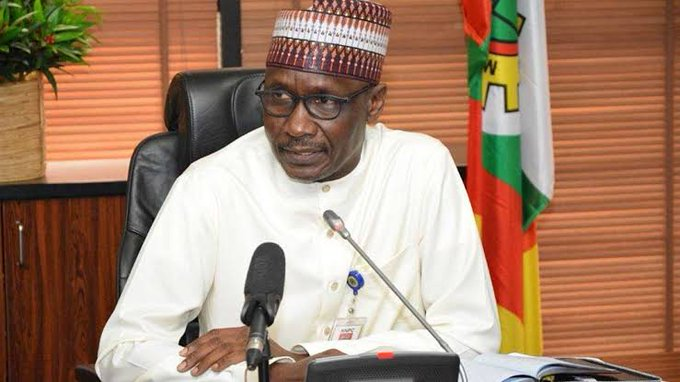
Chairman of the committee, Senator Aliyu Wadada (Nasarawa West), said the former management team is expected to appear alongside the current NNPCL Group Chief Executive Officer, Bayo Ojulari.
According to Wadada, the committee resolved that NNPCL must account for the combined sum of N210 trillion—comprising N103 trillion and N107 trillion—flagged in audit reports as funds that were not properly explained.
He added that the company should remit to the national treasury all production costs charged against crude oil revenue within the period under review, noting that NNPCL and its subsidiaries, including NAPIMS, do not directly produce crude oil.
The committee also directed that the Auditor-General for the Federation conduct a forensic audit of NNPCL’s financial statements for the period, in line with Section 85 of the 1999 Constitution.
Lawmakers further questioned the reported expenditure of about N5 billion on the transition of the Nigerian National Petroleum Corporation (NNPC) to the Nigerian National Petroleum Company Limited, describing the amount as excessive and demanding a detailed explanation.
Wadada said the resolutions followed the company’s inability to provide satisfactory answers to 19 queries raised by lawmakers based on findings in its audit report.
According to him, NNPCL claimed the N103 trillion represented cumulative expenditures by joint venture partners through JV cash calls since 2017, but the committee rejected the explanation as unsatisfactory.
He added that the company’s audited financial statement also recorded N107 trillion as subsidy-related receivables and other sundry debts allegedly owed by banks and other entities as of December 2023.
Despite the concerns raised during the probe, the committee reaffirmed its support for the administration of President Bola Tinubu, stating that the Federal Government remains committed to transparency, accountability, and proper management of public funds.