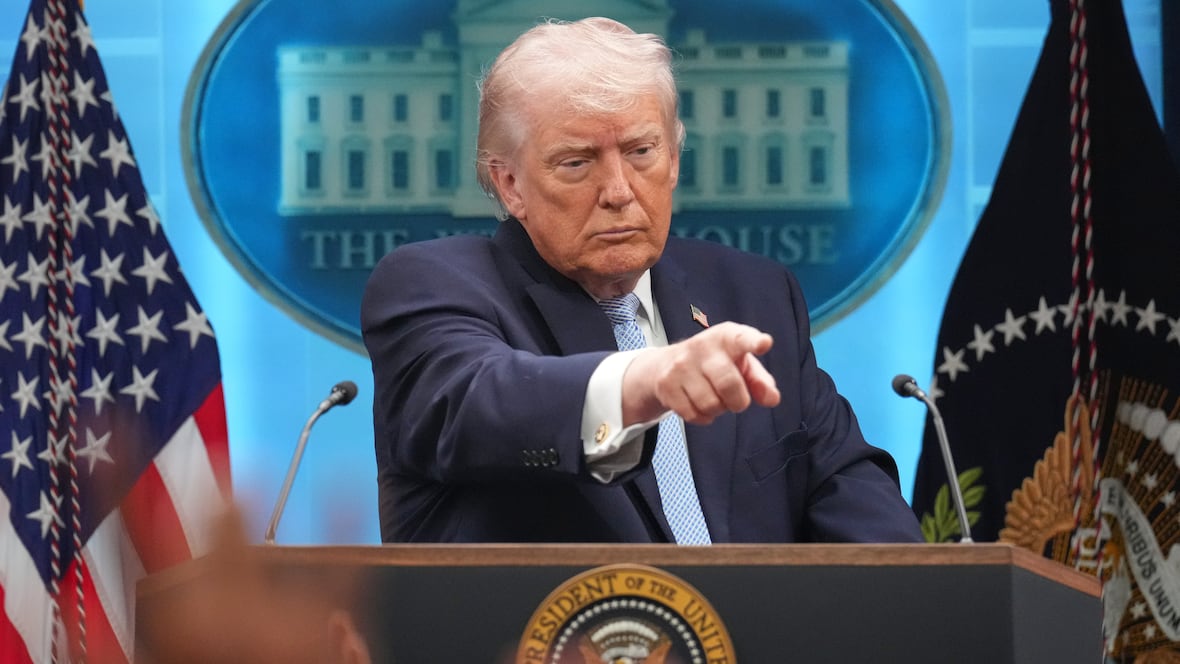
US President Donald Trump has announced a two-week ceasefire with Iran, effective immediately, subject to Tehran’s agreement to reopen the Strait of Hormuz.
This decision comes after intense diplomatic efforts, particularly from Pakistan, which mediated between the two nations.


The ceasefire, announced on Trump’s social media platform, Truth Social, is conditional on Iran’s commitment to safe passage through the strait.
Iran’s Foreign Minister, Abbas Araghchi, confirmed the agreement, stating that safe passage would be possible via coordination with Iran’s armed forces.
The Strait of Hormuz, a critical waterway for global oil shipments, had been closed by Iran, causing significant disruptions to global energy markets.
The reopening is expected to ease tensions and stabilize oil prices, which had risen sharply due to the conflict.
Madagascar has already declared a state of energy emergency due to the crisis, with widespread fuel shortages reported.
The war has precipitated a major energy crisis and subsequently an economic crisis for Europe, primarily through the suspension of Qatari liquefied natural gas (LNG) and the closure of the Strait of Hormuz.
The International Energy Agency has described the situation as the “greatest global energy security challenge in history”.
Global oil prices have surged past $114 a barrel, with analysts warning of a potential global recession.
The war’s impact is being felt worldwide, with countries implementing measures to tackle the energy crisis, including fuel price hikes, energy-saving strategies, and electricity rationing.
In South Asia, countries are taking steps to mitigate the crisis, such as slashing excise duties on petrol and diesel, imposing windfall taxes, and invoking emergency measures to divert gas supplies.