The Democratic Republic of Congo is expected to receive more than 30 deportees from the United States this week, four sources told Reuters, marking the first transfer under a new agreement between Washington and Kinshasa announced on April 5.
The deportees are not Congolese nationals. At least some are from Central and South America, according to one source and U.S. court documents. One source familiar with the matter put the number at 37, while another said 45. Reuters identified at least four migrants — from Colombia, Peru, Chile, and Guatemala — whom U.S. Immigration and Customs Enforcement told would be removed to Congo this week. An April 8 federal court order reviewed by Reuters said the U.S. planned to deport a Peruvian migrant to Congo despite a court-granted protection against return to Peru due to fears of persecution.


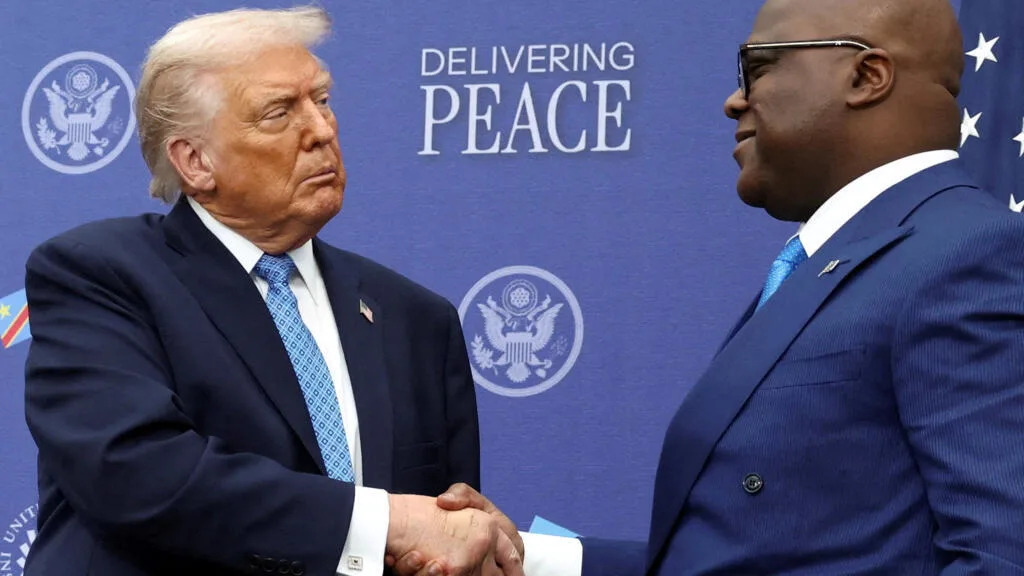
The move comes as the Trump administration mediates a U.S.-brokered peace deal between Congo and Rwanda aimed at ending fighting with Rwanda-backed M23 rebels in eastern Congo. It also follows a strategic partnership giving the U.S. preferential access to Congo’s critical minerals.
Three sources said the deportees are expected to arrive by Friday and be housed in a hotel near Kinshasa’s main airport for 10 to 15 days. The site will remain open to other guests, and deportees will be free to move around, a diplomat and a senior humanitarian source said. They will be placed in single rooms with two meals a day. Security will be provided by Congo’s national police and a private firm.
What happens after the initial stay remains unclear. One source told Reuters they could not say what will happen to the deportees after the 10–15 day period.
Neither government has said how many deportees Congo will ultimately receive. Kinshasa has stressed it will not spend money as part of the deal. A State Department spokesperson said Washington had “no comment on the details of our diplomatic communications with other governments.”
The International Organization for Migration (IOM) will provide “post-arrival humanitarian assistance” at the request of Congolese authorities, two sources said. IOM stressed it has no role in the deportations themselves, which are handled by the two governments. IOM has provided similar aid to third-country deportees sent from the U.S. to Eswatini and Cameroon.
The U.S. has previously sent third-country deportees to African states including Ghana, Cameroon, Equatorial Guinea, and Eswatini, drawing criticism from legal experts and rights groups over the legal basis for the transfers and the treatment of people sent to countries where they are not nationals. Some were later returned to their home countries despite court-ordered protection in the U.S.
The agreement has attracted criticism from human rights groups and opposition politicians in Congo.