The World Health Organization has declared the Ebola outbreak in eastern Democratic Republic of Congo a public health emergency of international concern.
The outbreak in Ituri province has led to around 246 suspected cases and 80 deaths, according to the WHO. Officials said the situation does not meet the threshold for a pandemic but warned it could become much larger than current figures show, with a high risk of spreading locally and regionally.

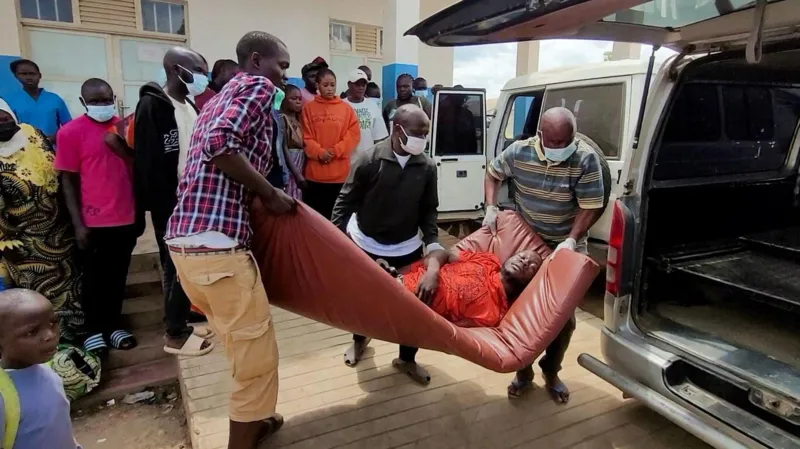
The outbreak is caused by the Bundibugyo strain of Ebola, for which there are no approved drugs or vaccines. Early symptoms include fever, muscle pain, fatigue, headache, and sore throat, followed by vomiting, diarrhea, rash, and bleeding.
So far, eight cases have been confirmed by lab tests across three health zones, including Bunia, the capital of Ituri, and the mining towns of Mongwalu and Rwampara. One case has also been confirmed in Kinshasa in a patient who had traveled from Ituri.
The virus has crossed into Uganda, where two confirmed cases have been reported. Ugandan officials said a 59-year-old man who died on Thursday tested positive. The Ugandan government said the patient was a Congolese citizen and his body has been returned to DR Congo.
The WHO said the risk of spread is high due to ongoing insecurity, population movement, urban hotspots, and many informal health facilities in the region. Neighboring countries are also at high risk because of trade and travel links.
The agency advised DR Congo and Uganda to set up emergency centers to track cases, trace contacts, and strengthen infection control. It said confirmed patients should be isolated and treated until two tests 48 hours apart come back negative.
The WHO also urged countries outside the affected area not to close borders or restrict travel, saying such steps are based on fear and not science.
WHO Director-General Dr. Tedros Adhanom Ghebreyesus said there is still uncertainty about the true number of infections and how far the outbreak has spread.
This is the 17th Ebola outbreak in DR Congo since the virus was first identified there in 1976. The country’s deadliest outbreak, from 2018 to 2020, killed nearly 2,300 people.