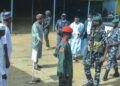
Uganda’s leading independent media organisation, Nation Media Group Uganda, was forced off air on Sunday after the country’s military ordered the closure of its newspapers, television station and radio outlets.
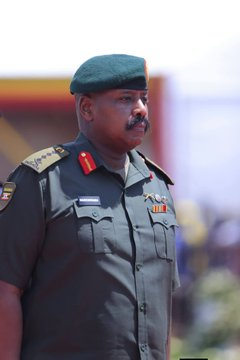
The shutdown followed a directive from Uganda’s Chief of Defence Forces, General Muhoozi Kainerugaba, who announced on social media that NTV Uganda and the Daily Monitor would cease operations immediately.
“NTV and Monitor are being shut down from today,” Kainerugaba wrote on X, adding that he did not believe in a free press and that the media “should be guided by cadres of the revolution.”
The Daily Monitor later said its headquarters in Kampala had come under what it described as a “military siege,” with heavily armed soldiers stationed outside its offices.
The media group’s other platforms, including Dembe FM, Spark TV, KFM and The EastAfrican, were also affected by the military action.
A senior NTV Uganda journalist, who requested anonymity, said soldiers had sealed off both the broadcaster’s studios and offices, preventing staff from entering or leaving the premises.
“We’ve been shut down by the military at both NTV studios and offices. No one is allowed in or out, and staff who worked overnight were ordered to leave,” the journalist said.
Broadcasts from the affected stations went off air in the early hours of Sunday, with viewers reportedly receiving a “Video unavailable” message instead of regular programming.
Kainerugaba later claimed the action had the approval of his father, President Yoweri Museveni, who has ruled Uganda since 1986.
The 81-year-old president secured another term in office earlier this year, although political observers have increasingly viewed his son as a potential successor.
The Daily Monitor, founded in 1992, has long been regarded as one of Uganda’s most influential independent newspapers and has frequently clashed with the government over its reporting.
In 2013, authorities shut the newspaper for nearly two weeks after it published allegations of a plan to prepare Kainerugaba to succeed his father as president.
The latest closure has drawn criticism from press freedom advocates.
The Committee to Protect Journalists condemned the military action, describing the use of security forces to execute publicly announced threats against independent media as “a deeply troubling escalation.”
Kainerugaba, however, insisted the affected outlets would remain closed until he authorised their reopening.
“They will not re-open without my permission,” he wrote on X.
“From now on all media in Uganda will follow the rules.”
According to the latest World Press Freedom Index published by Reporters Without Borders, Uganda ranks 143rd out of 180 countries, reflecting ongoing concerns over media freedom and the operating environment for journalists in the East African nation.