Uganda’s judiciary has rejected a directive issued by the Uganda Law Society (ULS) instructing lawyers to stop addressing judges with colonial-era titles such as “My Lord” and “My Lady” and to discontinue the practice of bowing before judicial officers.
The ULS, the professional body representing lawyers in the country, announced the directive as part of efforts to reform the justice system and eliminate what it described as outdated colonial traditions.


In a statement signed by its president, Isaac Ssemakadde, the association said honorifics such as “My Lord,” “Your Lordship,” “My Lady,” and “Your Worship” reinforce inequality by elevating judges above citizens.
The group argued that such practices are relics of colonial rule and undermine the dignity of litigants and legal practitioners.
Instead, the ULS directed its members to adopt simpler forms of address, including “Mr Justice,” “Madam Justice,” “Mr Judge,” “Madam Judge,” or “Mr Magistrate,” while also prohibiting lawyers from bowing before judges.
The association said lawyers and litigants should stand upright in court and speak “as free citizens,” describing the move as part of a broader effort to decolonise Uganda’s justice system.
However, the judiciary dismissed the directive, insisting that the lawyers’ body has no authority to determine courtroom procedures or judicial protocol.
Judiciary spokesperson James Ereemye said judges would continue to expect the established standards of courtroom decorum, stressing that only the judiciary has the power to regulate its proceedings.
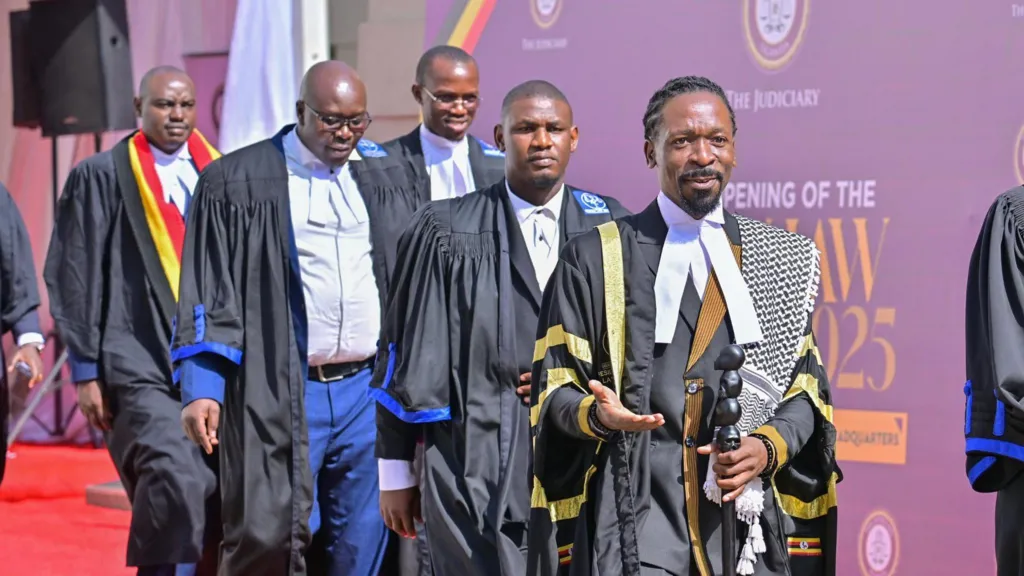
He criticised the ULS for attempting to impose changes without following the appropriate institutional channels, adding that any proposed reforms should be presented through proper policy discussions.
Uganda’s legal system, like those of many former British colonies, retains several traditions inherited from the United Kingdom, including courtroom etiquette and judicial titles.
The latest disagreement has reignited a long-running debate across Africa over whether colonial-era legal customs, including the use of wigs, robes and formal honorifics, should be abolished in favour of more modern and locally relevant judicial practices.
Similar discussions have taken place in countries including Kenya, Zimbabwe, Malawi and Ghana, where legal experts and judicial reform advocates have questioned the continued relevance of colonial courtroom traditions.