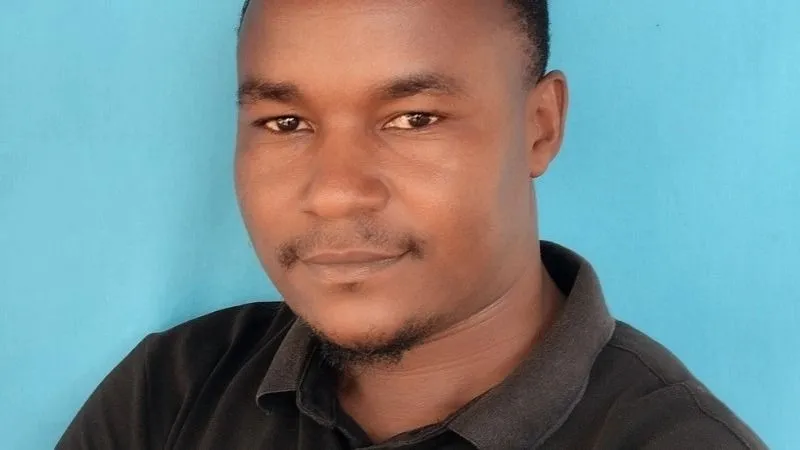
A political science lecturer at the University of Dodoma has been formally charged with terrorism, more than two weeks after he was first detained in connection with planned anti-government demonstrations.
Melkisedek Kaijage appeared at a magistrate’s court in Dodoma on Thursday to apply for bail. Instead of a bail hearing, prosecutors upgraded the charges. He had already spent 15 days in police custody.

Kaijage was among more than 130 people arrested in early July after authorities banned nationwide protests planned for 7 July. The demonstrations were calling for democratic reforms and justice for people killed in a crackdown following last year’s election. The protests did not go ahead after a heavy security deployment in major cities.
Initially, Kaijage faced accusations of inciting people to join the protests. The new charge alleges he threatened to burn public buildings as part of intimidation tactics.
Because terrorism cases in Tanzania must be heard in a higher court, he was not asked to enter a plea. Terrorism offences also generally do not qualify for bail, so he will remain in custody until trial. Under Tanzanian law, convictions for recruiting, facilitating, harbouring or supporting terrorism can carry prison terms of 10 years to life.
Gerald Shija, chair of the University of Dodoma Academic Staff Association, said Kaijage has been moved from police custody to Isanga Prison in Dodoma. Colleagues described him as a respected teacher known more for his classroom work than for political activity.
The case is part of a wider government crackdown on opposition figures and critics of President Samia Suluhu Hassan. Last month the government suspended all political rallies indefinitely, citing security concerns.
The current tensions trace back to the 29 October 2025 election. A presidential commission found that 518 people died from “unnatural causes” during the post-election protests, including 197 who were shot dead. President Samia was declared the winner with 98% of the vote after the two main opposition challengers were barred from running. The opposition called the result a “mockery” of democracy. At the time, the president said the vote was fair and blamed foreign actors for the violence, alleging a plot to overthrow her.
Tanzania had long been seen as one of East Africa’s most stable countries, and the scale of the post-election violence drew national and international attention.