Ghana has officially exited its three-year IMF rescue programme after the Fund’s Executive Board approved the last review and released $360 million to the Bank of Ghana.
The payment on July 28, 2026 closes the Extended Credit Facility that started in May 2023 following the 2022 economic crisis. With this final tranche, total IMF support under the programme hits $3 billion.


At the same time, the Board approved Ghana’s request for a 36-month, non-financing Policy Coordination Instrument. The PCI has no money attached, but it will serve as a policy anchor to keep reforms on track.
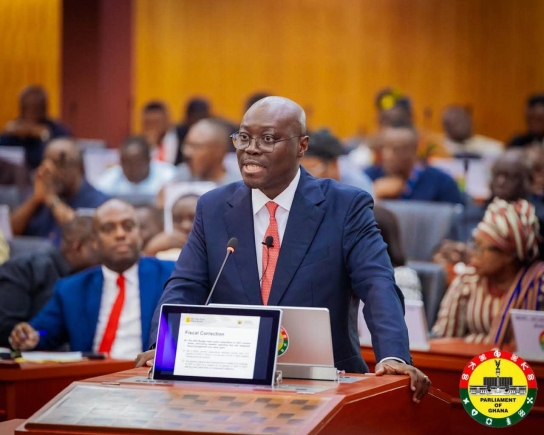
Presenting the PCI to Parliament during the Mid-Year Fiscal Policy Review, Finance Minister Dr. Cassiel Ato Forson said the new arrangement will help sustain gains made under the ECF.
“The government expresses its sincere appreciation to the people of Ghana for their resilience, patience, and unwavering support throughout the reform programme,” he told Graphic Online. He also thanked the IMF Board, staff, development partners, civil society and the private sector.
What the ECF delivered
According to the IMF and government data, the programme helped stabilize the economy:
- Fiscal discipline: A primary surplus in 2025 beat the programme target
- Debt: Public debt fell sharply to about 45% of GDP, down from over 85% in 2022
- Growth and exports: Growth in 2025 topped expectations, helped by strong gold receipts that also boosted external buffers
- Inflation: Price pressures eased as monetary policy stayed tight
The IMF noted most quantitative targets were met, though some structural reforms faced delays.
What comes next under the PCI
The new 36-month PCI will focus on consolidation, not cash. Key priorities flagged in the May staff-level agreement include:
- Growth-friendly fiscal adjustment and safeguarding debt sustainability
- More transparency in state-owned enterprises and better fiscal governance
- A stronger monetary and exchange-rate framework, with a forward-looking policy to anchor inflation expectations
- Financial sector stability, including cleaning up non-performing loans and reforms for state-owned banks
- Protecting public resources in energy and cocoa, and supporting diversification and jobs
The IMF cautioned that risks remain. Global price shocks from the Middle East war could feed through to fuel, food and fertiliser costs. It also pointed to the losses from the Domestic Gold Purchase Programme as a reason to limit quasi-fiscal activities and strengthen the central bank’s balance sheet.
“Avoiding past policy slippages — including recurring cycles of fiscal imbalances, rising debt, weak buffers, and reform reversals — will be critical to safeguarding the hard-earned success,” the Fund said.
With the ECF done, Ghana’s engagement with the IMF now shifts to policy monitoring through the PCI, as government pushes to lock in stability and translate it into jobs and social spending.