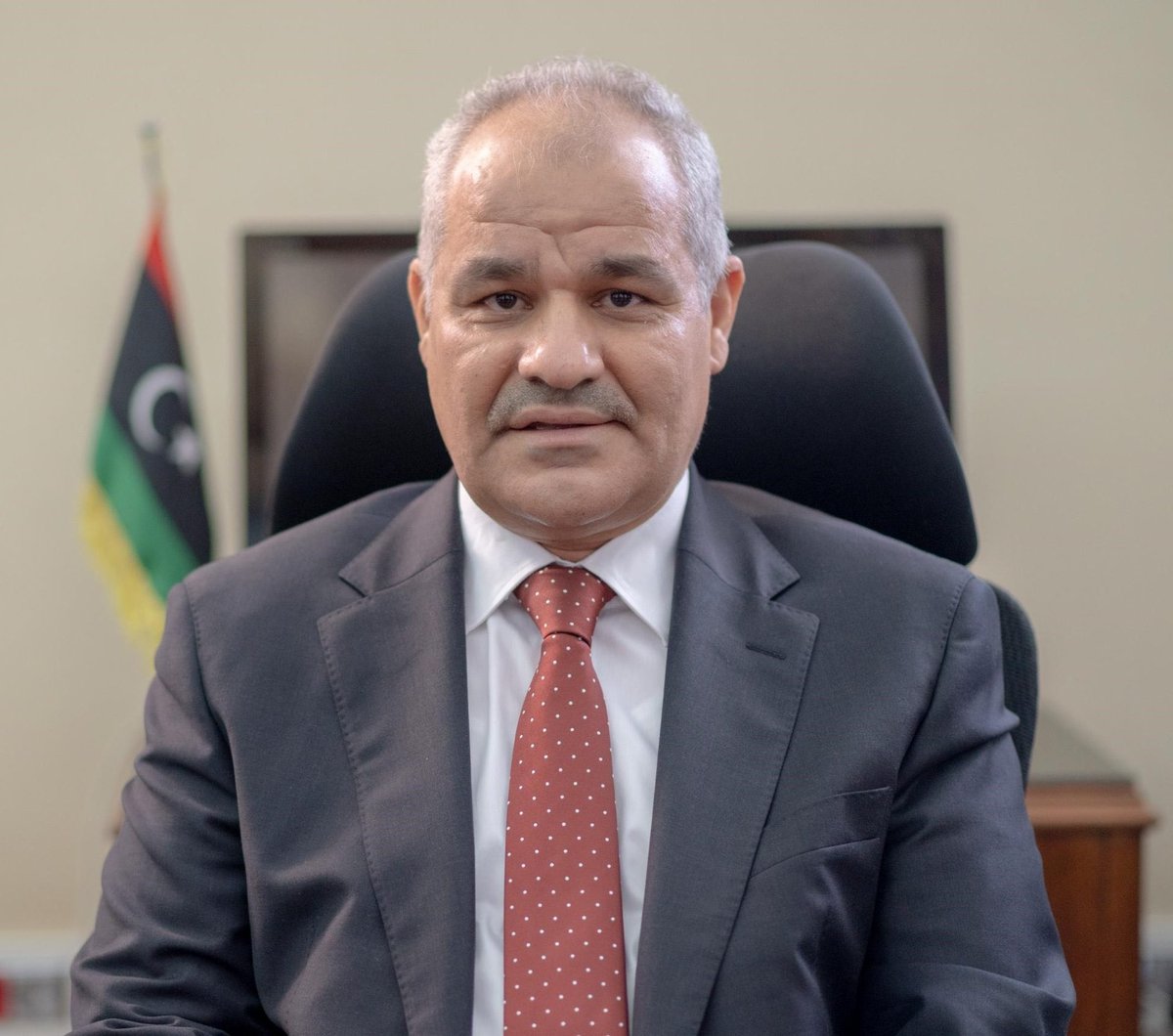
Libya’s Central Bank governor Naji Issa has handed in his resignation to the country’s two rival parliaments, documents seen by Reuters show.
In letters dated August 9 and confirmed as genuine by Issa, he said he could no longer continue in the role but would not give a reason.
“I apologize for not being able to continue in my duties as Governor of the Central Bank of Libya, without stating the reasons, due to their sensitivity,” both letters read.


Issa sent the resignation to the head of the eastern House of Representatives and to the western High Council of State.
The head of the High Council of State, Mohamed Takala, responded by asking Issa to remain in office for now “in order to maintain financial, economic and political stability” until the resignation is reviewed under legal and constitutional procedures. The House of Representatives has not yet replied.
Issa was appointed in 2024 after both chambers agreed on him to resolve a months-long fight over control of the Central Bank. That dispute began when western groups tried to remove former governor Sadiq al-Kabir in August 2024. Eastern groups responded by shutting oil production, which cut Libya’s oil output and exports sharply.
Libya has been split since 2014 between an eastern authority based around the House of Representatives, elected in 2014, and a western authority centered on the High Council of State, formed under a 2015 UN-backed deal. The division dates back to the 2011 uprising that ended Muammar Gaddafi’s rule.
The Central Bank in Tripoli remains one of the few institutions that still operates across both sides, making the governor’s position politically sensitive.