Sierra Leone’s Parliament has approved a controversial package of constitutional reforms that would change the country’s electoral system ahead of the 2028 presidential election.
The reforms were backed by the ruling Sierra Leone People’s Party (SLPP), while lawmakers from the opposition All People’s Congress (APC) walked out of the chamber after challenging the procedure used to approve the changes. Opposition lawmakers argued that a constitutional amendment of this nature required a two-thirds majority.


The proposed reforms would lower the presidential victory threshold from the current 55 percent to more than 50 percent of votes cast.
Under the proposed system, however, a presidential candidate would also have to secure at least 20 percent of the vote in two-thirds of the country’s districts to avoid a second-round contest.
The reforms would also introduce proportional representation for parliamentary elections and include measures aimed at increasing the representation of women, young people and other groups in political leadership.
The government says the changes are intended to strengthen democratic participation and reduce the financial and political costs associated with presidential run-off elections.
The APC has opposed the changes, arguing that the existing 55 percent threshold encourages presidential candidates to build broader national support and gives the eventual winner a stronger mandate.
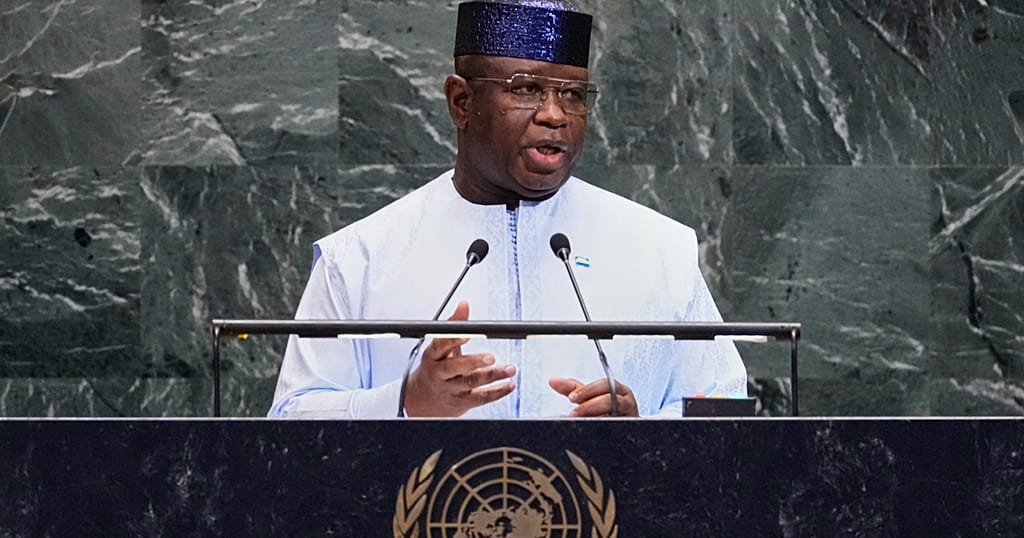
President Julius Maada Bio, who is constitutionally barred from seeking another term in 2028, had urged lawmakers to approve the reforms, describing them as the result of years of consultation.
The passage of the bill is likely to intensify political debate ahead of the 2028 election, with the opposition questioning both the substance of the reforms and the process through which they were approved.