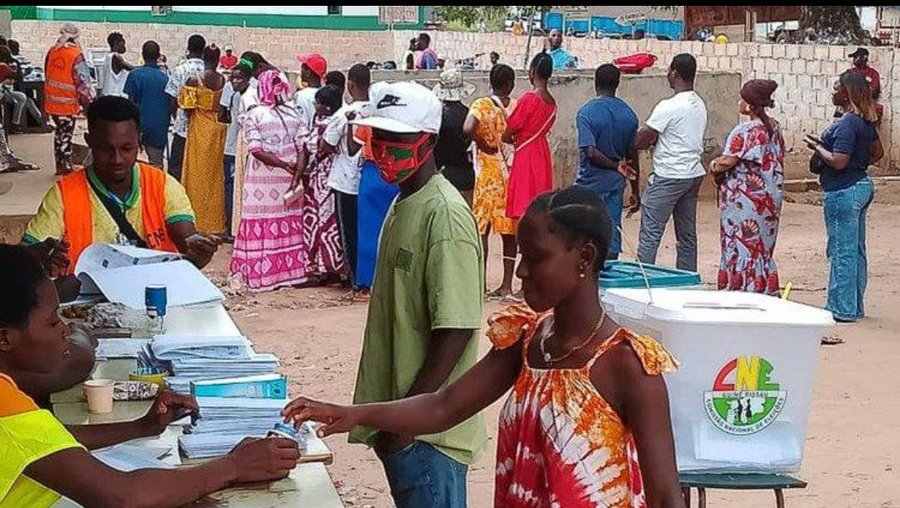
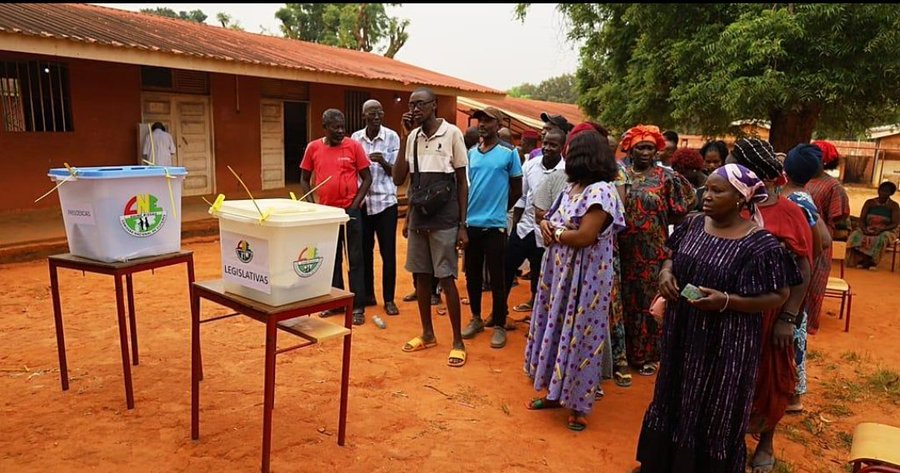
Voters in military-ruled Guinea-Bissau have begun voting in a referendum that could significantly expand the powers of the president ahead of planned elections to restore civilian rule later this year.
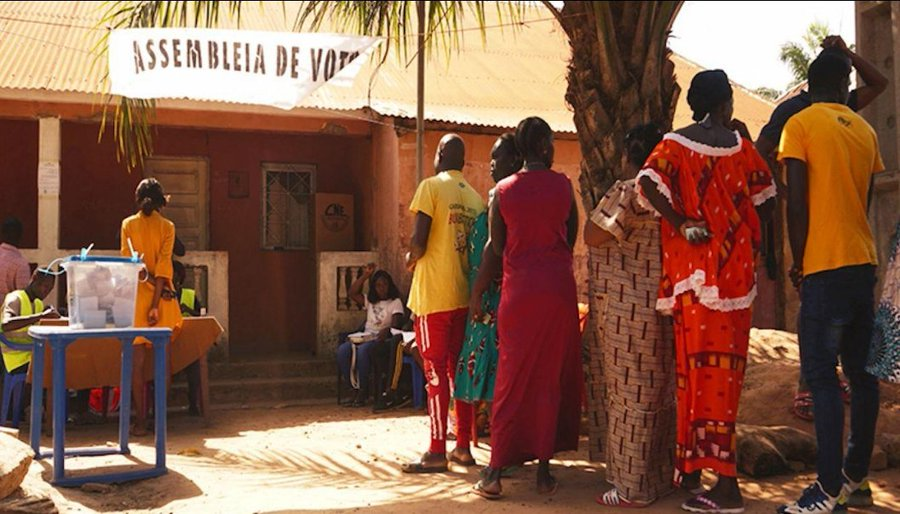
Voting began at 7:00 a.m. GMT on Sunday but was slow in some parts of the capital following heavy rainfall. Security was also tightened, with police and national guard personnel deployed at strategic locations.

Polling is scheduled to close at 5:00 p.m. GMT, with preliminary results expected from Tuesday.
The referendum comes less than 10 months after the military seized power in a coup that ousted former President Umaro Sissoco Embalo and halted the electoral process.
The junta, which appointed General Horta N’Tam as transitional president, says the proposed constitutional changes are aimed at strengthening and stabilising state institutions ahead of presidential and parliamentary elections scheduled for December 6.
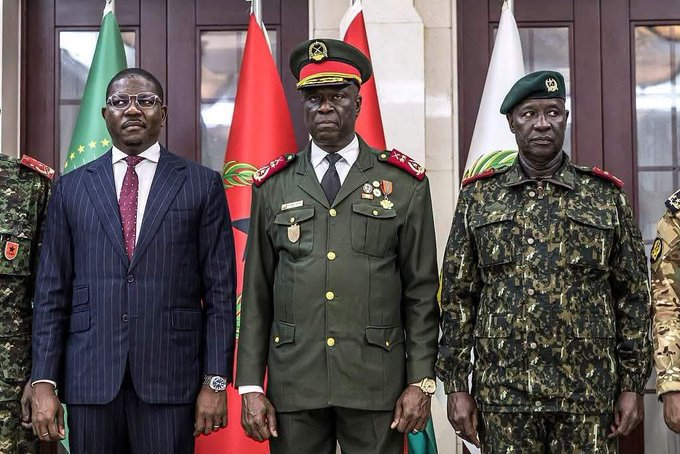
Under the proposed constitution, Guinea-Bissau would move from a parliamentary system to a presidential system, giving the president greater control over the government.
The president would have the power to appoint and dismiss the prime minister and members of the government, as well as dissolve parliament.
Voters are being asked to answer “yes” or “no” to whether they support the implementation of the new constitution approved by the National Transitional Council.
However, the opposition has called for a boycott of the referendum, citing restrictions on public freedoms under military rule.
Guinea-Bissau has a long history of political instability, having experienced five coups and several attempted coups since gaining independence in 1974.
The military takeover last November came just days after a presidential election and led to the suspension of the electoral process.
The country’s political crisis has raised concerns over the military’s commitment to returning power to civilians, despite its pledge to organise elections in December.
The referendum also comes amid a wider trend of constitutional changes across Africa, with several countries in recent years adopting reforms that have strengthened executive powers or altered presidential term limits.