Kenya has moved to register undocumented Burundians and other East African nationals after days of panic triggered by President William Ruto’s order to remove foreigners from small-scale businesses.
On Monday, hundreds of Burundians lined up at their embassy in Nairobi. Some were applying for emergency travel documents to go home. Others were buying bus tickets. The rush came because Ruto had set Monday as the cutoff for foreigners running hawking and small shop businesses.


Government spokesperson Charles Owino said Monday that Kenya would now create a formal registration window. People without valid papers can go through their embassies or high commissions, and those in the process will be considered legally in Kenya for now. Owino noted that due to historical ties and regional movement, many East Africans, including Burundians, have been living and working in Kenya without full documentation.
In a follow-up statement on Tuesday, State House gave foreign business owners 90 days to sort out their immigration status, work permits, and business licences. After that, officials said rules will be enforced “firmly and strictly.” The statement also warned that no one is allowed to harass or intimidate foreign nationals.
The tone shifted after reports of hostility toward Burundians. Foreign Affairs official Korir Sing’oei visited the Burundian embassy on Monday and apologized. “I want to say sorry to all the Burundi nationals here,” he said, adding that the government would increase security in areas where Burundians live.
Ruto defended the directive, saying Kenya welcomes investment but not foreigners competing with Kenyans as hawkers or small shop owners. He argued investors should focus on jobs and production instead.
The move has drawn regional attention. Burundi’s Foreign Minister Edouard Bizimana posted on X that Kenyans in Burundi live peacefully, but continued “hate speech” could change that. He also held an urgent meeting with East African Community representatives. Both Kenya and Burundi are EAC members.
Alexis Ntinanirwa, who leads the Association of Burundians in Kenya, told the BBC he was unhappy with the decision but urged calm. He warned the issue could backfire across the region, since many Kenyans also run small businesses in Burundi, Tanzania and Uganda.
Kenya hosts hundreds of thousands of migrants from East Africa. The UN says there are about 16,000 Burundian refugees and asylum seekers in the country, though it is not clear how many work in small trade.
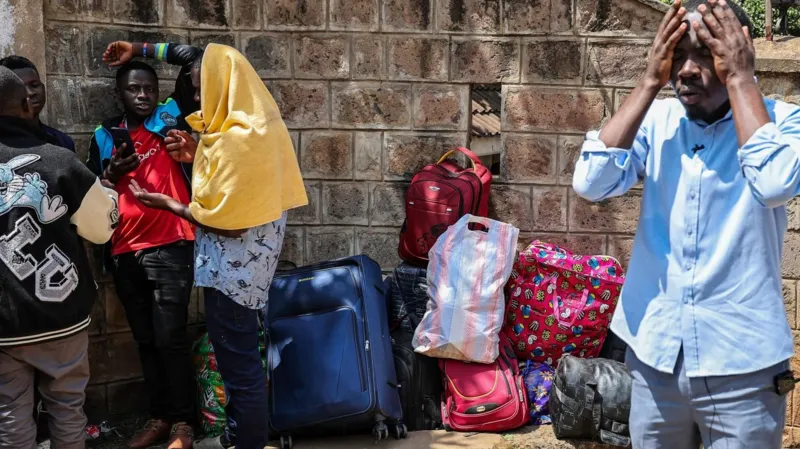
Some Burundians were seen leaving Nairobi with mattresses and suitcases, but others said they cannot afford to travel and asked Kenya to extend the deadline.
The crackdown mirrors similar actions in Tanzania last year and growing anti-migrant sentiment in South Africa.