Ugandan President Yoweri Museveni, 80, has defended the controversial use of military courts to try civilians, following widespread criticism over the arrest and prosecution of opposition leader Kizza Besigye.
Besigye, 68, was charged in a military court with possession of pistols and attempting to procure weapons abroad, accusations he vehemently denies.
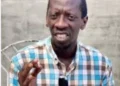

The opposition leader, who was forcibly returned to Uganda after being abducted in Kenya last month, learned on Tuesday that his trial would be delayed until January, leaving him in custody over the festive season.
Museveni argued that cases involving firearms must be handled by military courts to safeguard national stability, claiming that civilian courts are often overwhelmed and slow.
“I have seen the arguments in the papers by some lawyers regarding the correctness of some civilians being tried in the Court Martial,” Museveni wrote in a detailed post on X (formerly Twitter).
He explained that his ruling National Resistance Movement (NRM) party introduced a law in 2005 allowing military courts to handle cases involving guns due to rampant criminal and terrorist activities at the time.
“The civilian courts were clogged with the many court cases of the whole country: murders, rape, assaults, robbery, land matters, divorce matters etc. They could, therefore, not handle these gun-wielding criminals quickly. Yet, for stabilization you need speed,” Museveni said.
The practice has faced significant opposition, with Uganda’s Constitutional Court ruling against the trial of civilians in military courts. Besigye has objected to the court martial proceedings, insisting that he should be tried in a civilian court if any charges exist.
A prominent critic of Museveni, Besigye has contested and lost four presidential elections against the long-serving leader, who has ruled Uganda since 1986.
The practice has faced significant opposition, with Uganda’s Constitutional Court ruling against the trial of civilians in military courts. Besigye has objected to the court martial proceedings, insisting that he should be tried in a civilian court if any charges exist.
A prominent critic of Museveni, Besigye has contested and lost four presidential elections against the long-serving leader, who has ruled Uganda since 1986.
Once Museveni’s personal doctor, Besigye has been arrested numerous times but has never been convicted.
While he has been less politically active in recent years, Besigye’s arrest and ongoing trial have reignited debates over judicial fairness and the rule of law in Uganda.