Ivory Coast has announced the withdrawal of French troops from its territory, marking another significant step in the diminishing military influence of the former colonial power in West Africa.
In his end-of-year address, Ivorian President Alassane Ouattara described the decision as part of the modernization of the country’s armed forces.

“We have decided in a concerted manner to withdraw French forces from the Ivory Coast,” Ouattara said, adding that the French-run military infantry battalion at Port Bouét would soon be handed over to Ivorian troops.
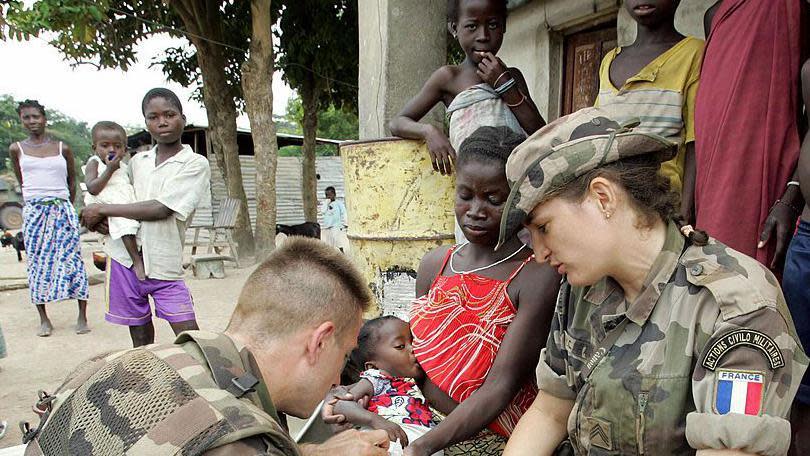
Ivory Coast currently hosts the largest remaining contingent of French troops in West Africa, with around 600 military personnel stationed there.
This development follows Senegal’s recent announcement to close French military bases by the end of 2025. Senegalese President Bassirou Dioumaye Faye, elected on a platform of sovereignty and reduced foreign dependence, instructed the armed forces to develop a new defence strategy that excludes foreign military presence.
The French military withdrawal trend is not new. In recent years, France has pulled its troops out of Mali, Burkina Faso, and Niger due to rising anti-French sentiment and a series of military coups. Chad also ended its defence agreement with France in late 2024.
Meanwhile, military leaders in Mali, Niger, and Burkina Faso have deepened ties with Russia, welcoming mercenaries to assist in combating jihadist insurgencies.
France is now shifting its military focus, maintaining a reduced presence in Gabon and Djibouti, with fewer than 2,000 troops spread across the two nations.
For decades after independence in the 1960s, Ivory Coast stood out in the region for its economic stability and social harmony. However, the recent geopolitical shifts signal a broader reconfiguration of military alliances in West Africa as nations prioritize self-reliance and sovereignty.