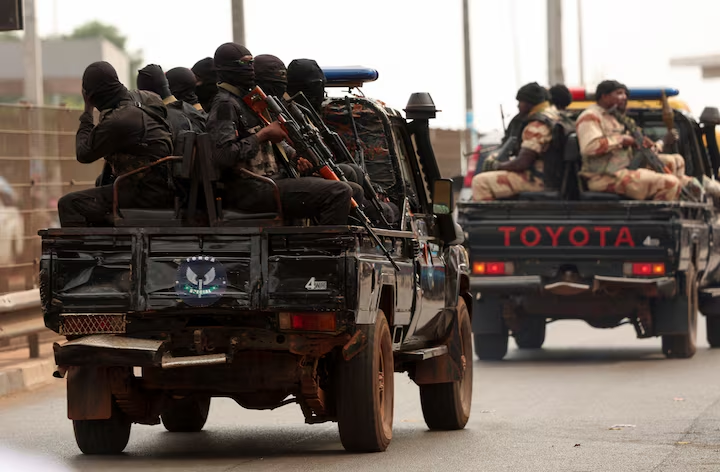
Guinea-Bissau’s military rulers have imposed a sweeping ban on protests and strikes as they tighten their grip on power ahead of a crucial visit by West Africa’s regional bloc, ECOWAS, which is pushing for a return to constitutional rule after last week’s coup.
In a statement issued late Sunday, the junta declared all demonstrations, labour strikes, and activities deemed threats to “peace and stability” prohibited. The directive also ordered public institutions, ministries, and state agencies to reopen and resume full operations.
The crackdown comes after hundreds of young protesters marched through the capital, Bissau, on Saturday, demanding the release of detained opposition figures and the publication of presidential election results.
A high-level ECOWAS mediation team including the presidents of Togo, Cape Verde, and Senegal, as well as the ECOWAS Commission president, is scheduled to arrive in Bissau on Monday. The mission aims to pressure the military leadership into restoring constitutional order and releasing the contested election results.
ECOWAS has warned that sanctions could be imposed on individuals or groups found to be undermining Guinea-Bissau’s democratic and electoral processes.
Interim leader Major-General Horta Inta-a, installed by the military following the coup, defended the takeover as necessary to prevent “narcotraffickers” from seizing control of the country’s democracy. He pledged to oversee a one-year political transition.
The latest coup underscores Guinea-Bissau’s recurring political volatility. The country, long plagued by military interference in governance, is a key transit hub for cocaine trafficked from Latin America to Europe.