Nearly 90,000 refugees who fled to Burundi following renewed violence in eastern Democratic Republic of Congo are facing severe humanitarian conditions, with overcrowded camps, limited food supplies, and inadequate access to clean water, aid agencies have warned.
The latest displacement followed intense fighting after Rwanda-backed M23 rebels seized the strategic city of Uvira near the Burundi border earlier this month, triggering a mass exodus of civilians. Although the rebels have since claimed they withdrew from the city, Congolese authorities dispute the claim.


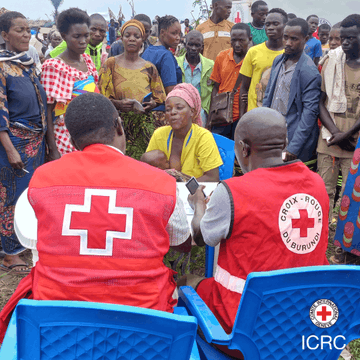
Medical charity Médecins Sans Frontières (MSF) said the humanitarian situation in Burundi’s border regions is rapidly deteriorating, particularly for women and children. The organisation reported treating an average of 200 patients daily since refugees began arriving over the past two weeks.
“We are seeing people in extreme distress, exhaustion and despair,” said MSF project coordinator Zakari Moluh in Ndava, north-western Burundi. “Some women gave birth while fleeing, and others are delivering in our clinics under very difficult conditions.”
The UN refugee agency, UNHCR, said children and pregnant women are among the most vulnerable, with some refugees reporting they had gone several days without food.
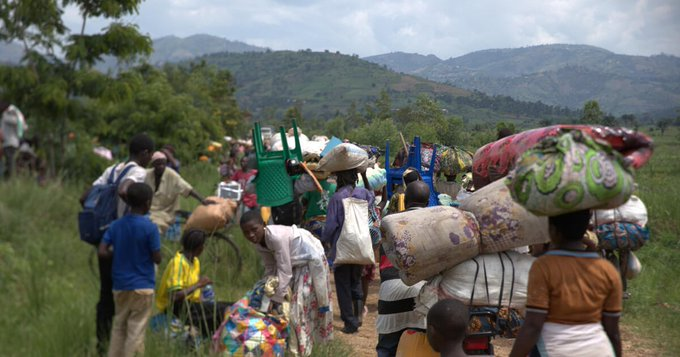
MSF has also warned of heightened risks of disease outbreaks, including cholera, measles and malaria, due to overcrowding and poor sanitation in the camps.
Meanwhile, the UN World Food Programme (WFP) said it is scaling up emergency assistance to more than 210,000 of the most vulnerable people displaced by the conflict. The agency estimates that about 500,000 people have been forced from their homes in South Kivu province alone since early December.
WFP said it is currently providing hot meals to 71,000 newly arrived Congolese refugees in transit centres across Burundi, but warned that essential services in eastern DR Congo are nearing collapse.
“Health facilities have been looted, medicines are unavailable, and schools remain closed,” the agency said, adding that urgent funding is needed to sustain food aid over the next three months.