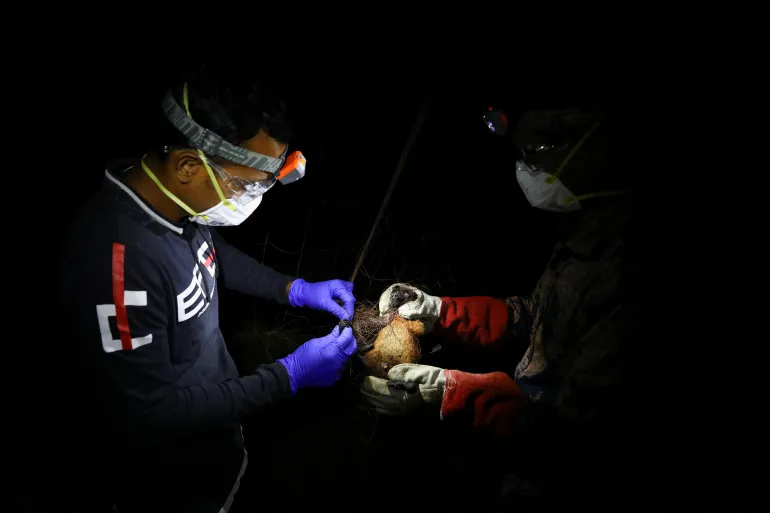
The World Health Organisation (WHO) has confirmed two cases of the Nipah virus in eastern India, raising concerns over a highly deadly yet rare virus known for its high fatality rate.
What is Nipah Virus?
Nipah virus is a zoonotic virus, transmitted from animals to humans, most commonly through infected pigs or bats. Human-to-human transmission is also possible through very close contact with infected individuals. The virus is part of the same family as measles but is far deadlier, with a mortality rate exceeding 50 percent.
Symptoms typically appear four to 14 days after infection, beginning with flu-like signs such as fever, headaches, muscle pain, vomiting, and sore throat. In severe cases, the virus can lead to respiratory problems, brain inflammation, coma, and permanent neurological damage.


Transmission and Global Risk
The virus spreads through direct contact with infected animals, contaminated fruits, or body fluids of infected persons. Outbreaks are mostly reported in parts of Asia, including India, Bangladesh, Malaysia, the Philippines, and Singapore, often between December and May. Despite its severity, Nipah remains rare, with fewer than 800 reported cases globally as of 2024.
Diagnosis and Treatment
Diagnosis relies on blood tests to detect viral proteins. There is currently no approved vaccine or specific treatment. Medical care focuses on supportive treatment to manage symptoms, and antiviral drugs like ribavirin have shown mixed results. Prevention through reducing exposure to infected animals and maintaining strict infection control is critical.
Public Health Implications
The virus is classified as a biosafety level four pathogen, on par with Ebola, and poses a potential public health threat due to its high mortality, ability to spread in close-contact settings, and lack of approved vaccines. Health authorities are monitoring the situation closely to prevent further transmission.