Zimbabwe has declined a proposed $367 million (£272 million) health funding agreement with the United States, citing concerns over demands for access to sensitive biological data.
Details of the decision emerged after a leaked government memo from December revealed that President Emmerson Mnangagwa considered the deal “lopsided”.


According to government spokesperson Nick Mangwana, the US sought long-term access to Zimbabwe’s biological samples and health data for research and potential commercial use, without guaranteeing the country access to any resulting vaccines, treatments, or diagnostics.
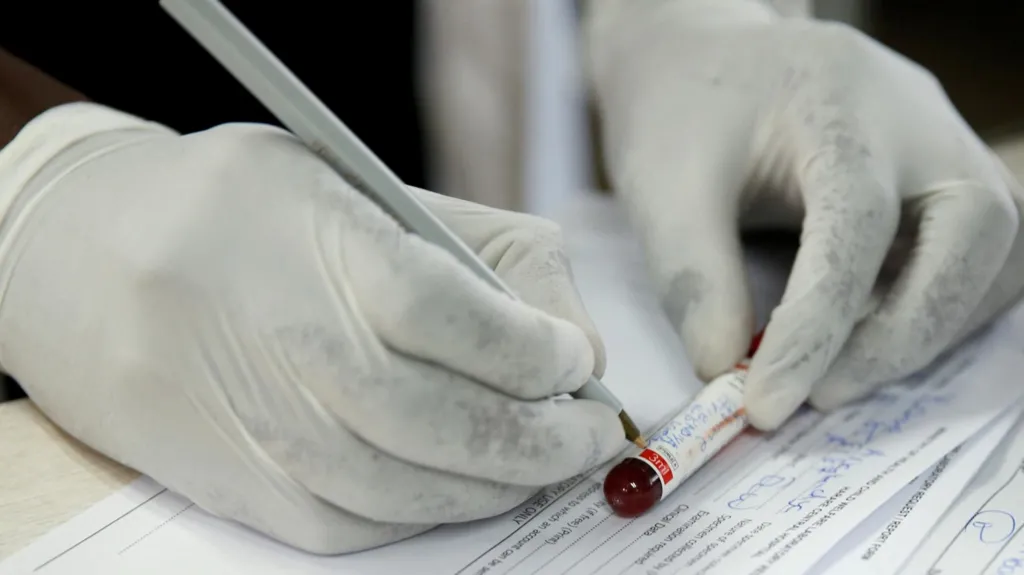
“Zimbabwe was being asked to share its biological resources and data over an extended period, with no corresponding guarantee of access to medical innovations that might result,” Mangwana said, describing the arrangement as asymmetrical. He stressed that the decision should not be interpreted as anti-American, adding that Zimbabwe remains open to future cooperation built on mutual respect and sovereignty.
In response, US Ambassador Pamela Tremont said Washington would begin winding down its health assistance programmes in Zimbabwe. The US Embassy noted that more than $1.9 billion has been invested in Zimbabwe’s health sector over the past two decades.
The proposed funding was intended to support HIV/AIDS treatment and prevention, tuberculosis, malaria control, maternal and child health services, and disease outbreak preparedness. According to the embassy, about 1.2 million Zimbabweans currently receive HIV treatment through US-backed initiatives.
The development comes amid broader shifts in US foreign aid policy under President Donald Trump, who has reduced overseas assistance and closed the United States Agency for International Development (USAID), favouring direct government-to-government agreements.
Mangwana also referenced the US withdrawal from the World Health Organization (WHO), arguing that bilateral deals risk undermining global health frameworks such as the Pathogen Access and Benefit Sharing system, which aims to ensure equitable distribution of vaccines and treatments during pandemics.
Meanwhile, Kenya’s High Court recently suspended a similar health agreement between Nairobi and Washington following concerns over data protection, highlighting growing debate across Africa over the balance between health funding and data sovereignty.