The presidential campaign in Congo-Brazzaville officially kicked off on Saturday, with 82-year-old President Denis Sassou Nguesso appearing poised to extend his decades-long rule.
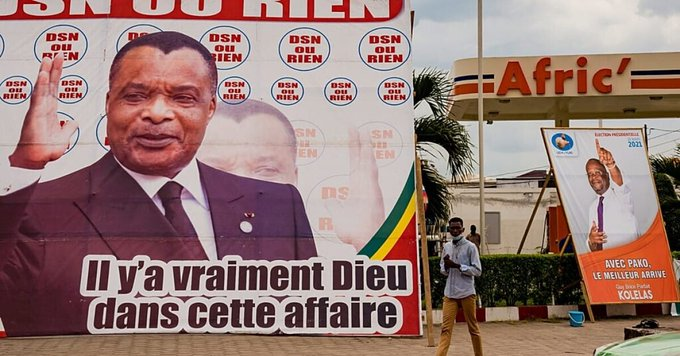
Thousands of supporters gathered in the country’s economic and oil hub, Pointe-Noire, to attend a rally organized by Sassou Nguesso’s Congolese Labour Party (PCT). Campaigning will continue until March 13, with the first round of voting scheduled for March 15.

Six opposition candidates have officially entered the race, including 34-year-old Destin Gavin from the Republican Movement (MR), who is contesting for the first time. However, the opposition remains fragmented and largely muted, facing slim chances against the ruling party’s entrenched machinery, which promises a “wave” of support for its long-serving leader.
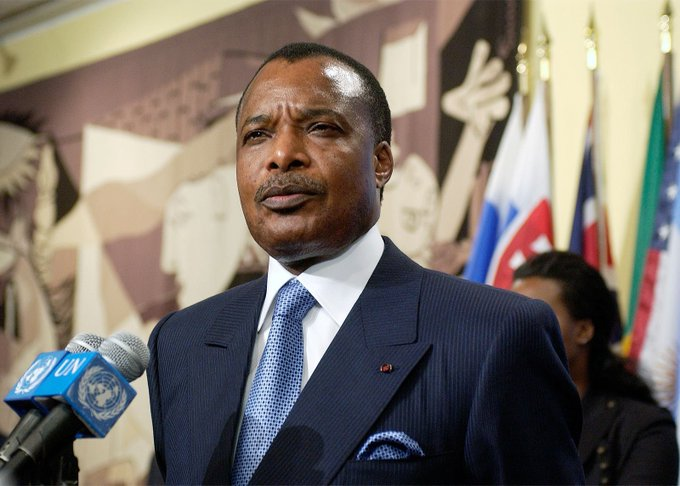
Sassou Nguesso first came to power in 1979 under a one-party system and led until 1992, when he lost Congo’s first multi-party elections to former Prime Minister Pascal Lissouba. He returned to power in 1997 following a civil war that toppled Lissouba. Earlier this month, Sassou Nguesso announced he would seek a new five-year term, which the constitution designates as his final one.
He is among Africa’s longest-serving leaders, alongside Paul Biya of Cameroon, in office since 1982, and Teodoro Obiang Nguema Mbasogo, who assumed power in 1979. Constitutional amendments in Congo-Brazzaville previously removed age limits and extended term limits, allowing Sassou Nguesso to remain in office through elections in 2016 and 2021.
Congo-Brazzaville, a former French colony rich in oil, still struggles with poverty, with nearly half of its six million people living below the poverty line. At Saturday’s rally, young supporters wearing T-shirts with the president’s image expressed confidence in his leadership, though some raised concerns over unemployment and economic hardship.
Political opponents of Sassou Nguesso have historically challenged his election victories since 2002. Notably, General Jean-Marie Michel Mokoko and Andre Okombi Salissa, who ran in the 2016 election, remain imprisoned after convictions for allegedly “attacking internal security.”
Despite criticism from NGOs and civil society groups over restrictions on civil liberties and intimidation of opponents, Sassou Nguesso is credited with bringing a degree of stability to a country previously scarred by civil war and located in a region prone to conflict.