The Benue State government has declared a state of emergency following a sharp rise in Lassa fever infections and related deaths, as part of efforts to contain the viral hemorrhagic disease and other infectious threats.
Governor Hyacinth Alia made the announcement during a high-level coordination meeting with the Nigeria Centre for Disease Control and Prevention (NCDC) and international health partners. The meeting focused on assessing the outbreak, strengthening collaborative strategies, and mobilizing additional resources for surveillance, case management, and community awareness.

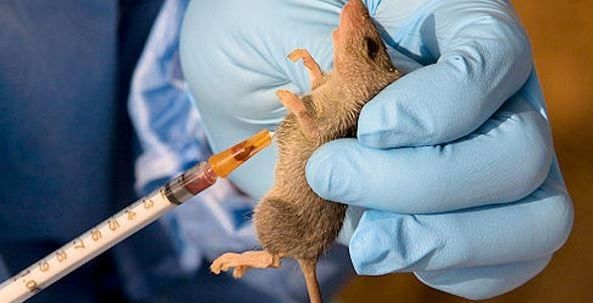
The outbreak, officially declared on February 3, 2026, has worsened in recent weeks. While initial reports cited 56 suspected cases, current figures indicate over 250 suspected cases, about 45–46 confirmed infections, and at least 10 deaths. Among the fatalities are healthcare workers, including doctors and nurses, who contracted the virus while treating patients.
In response, health officials have activated emergency measures, including enhanced contact tracing, deployment of surveillance teams across all 23 local government areas, distribution of personal protective equipment (PPE), and the establishment of dedicated treatment centers.
A strategic meeting convened by the Benue State Ministry of Health and Human Services brought together stakeholders to coordinate intensified interventions. Partners pledged continued technical and logistical support to curb the outbreak.
Governor Alia urged residents to take preventive measures, including proper food storage to avoid contact with rodents, seeking early medical attention for symptoms such as fever, headache, or sore throat, and maintaining strict hygiene practices. He assured the public that the government is actively managing the situation to prevent further spread.