The General Secretary of the Confederation of African Football (Confederation of African Football), Veron Mosengo-Omba, has resigned from his position, stepping down after mounting criticism and growing tensions within African football’s governing body.
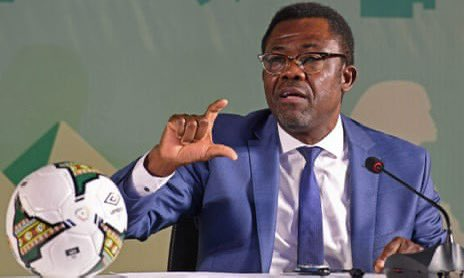
Mosengo-Omba announced his departure on Sunday, describing it as a retirement after a long international career in football administration. However, his exit comes at a time of heightened controversy surrounding CAF’s leadership and credibility.


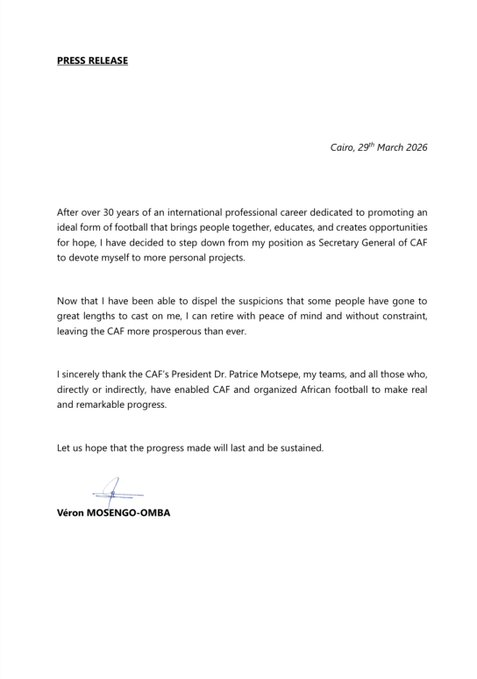
In his resignation statement, he said he was leaving to focus on personal projects after more than 30 years in football administration, adding that he was departing with “peace of mind” and gratitude to CAF President Patrice Motsepe and colleagues.
“I have decided to step down from my position as Secretary General of CAF to devote myself to more personal projects,” he said, while insisting he had cleared suspicions previously raised against him.
Despite his explanation, Mosengo-Omba’s exit follows months of internal pressure, including criticism over his continued stay beyond CAF’s mandatory retirement age of 63 and calls from members of the executive committee for his removal.
He has also faced allegations from some staff members of creating a toxic working environment, although a previous internal investigation reportedly cleared him of wrongdoing.
His resignation comes amid wider controversy within African football, including disputes over CAF decisions that have sparked backlash from member associations and raised questions about governance and transparency.
CAF has recently faced criticism following the decision by its Appeals Board in a high-profile Africa Cup of Nations-related controversy involving Africa Cup of Nations, which contributed to growing scrutiny of the organisation’s leadership.
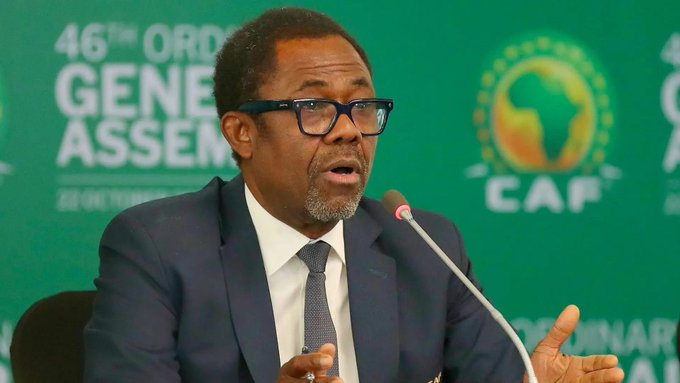
In his statement, Mosengo-Omba thanked CAF staff and leadership for their support, expressing hope that progress made within the organisation would be sustained.
Although he described his exit as retirement, reports suggest he may pursue a leadership role within Congolese football in the coming months, a move that could keep him in contention for future influence within CAF structures.
The resignation adds to ongoing concerns about governance, unity, and credibility in African football as the organisation continues to navigate internal and external pressure.