Senegal’s government has banned ministers from non-essential foreign travel due to the rising oil prices caused by the Iran conflict.
Prime Minister Ousmane Sonko announced this move, citing the current oil price is nearly double the budgeted amount.


Sonko has postponed his own trips to Niger, Spain, and France as part of the restrictions.
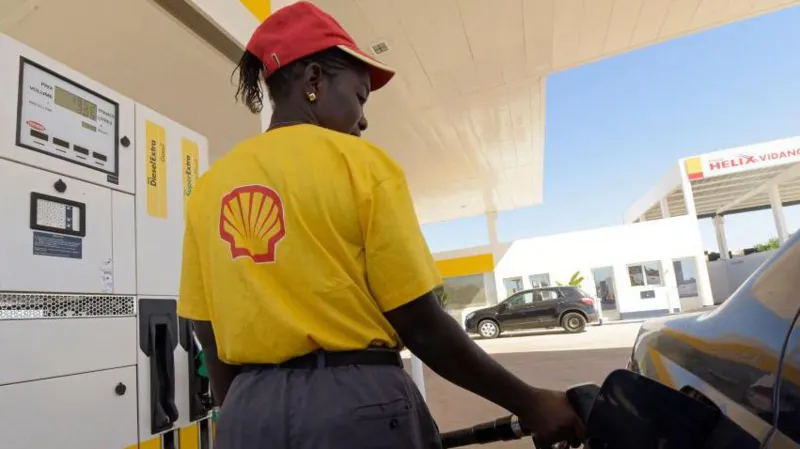
The country, despite having a fledgling oil and gas industry, relies heavily on fuel imports.
The International Monetary Fund described Senegal’s economy as “robust” with an 8% growth rate and low inflation, but its public debt is high, standing at over 130% of the economy’s annual size.
Other African countries are also responding to the oil price rise, including:
- South Africa: Reduced tax on petrol to limit fuel price increases
- Ethiopia: Fuel shortages forcing government institutions to send employees on annual leave
- South Sudan: Rationing electricity in the capital, Juba
- Zimbabwe: Increasing ethanol content in petrol
The global oil price surge has led to concerns about food security, with the International Rescue Committee warning of a “food security timebomb” due to restricted fertilizer supplies.