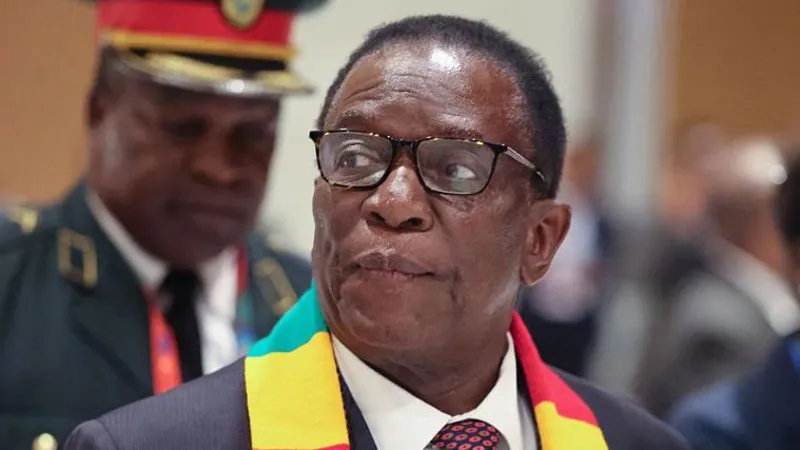
Zimbabwe is at a crossroads as the ruling Zanu-PF party pushes to amend the constitution to extend President Emmerson Mnangagwa’s term from five to seven years and allow parliament to elect the president.
The move has sparked intense debate, with opposition politicians labeling it a “slow coup” and supporters arguing it will bring stability.

The proposed changes would scrap presidential elections, held since 1990, and delay parliamentary elections scheduled for 2028 to 2030.
Mnangagwa, 83, would remain in office until 2030, sparking fears of a return to authoritarian rule.
Opposition leader Tendai Biti argues the changes undermine democracy, saying, “They are making the mistake that Mugabe made. That of closing [the democratic] space absolutely.” Zanu-PF spokesperson Patrick Chinamasa counters, “There’s nothing that stops us to change, to go to another system that’s less costly, less controversial”.
Public hearings have been marked by chaos, with supporters and opponents clashing. The bill is expected to pass in parliament, but critics plan to challenge it in court, arguing it violates the constitution.