Nigeria’s D’Tigress have been placed in Pot 2 ahead of the draw for the 2026 FIBA Women’s Basketball World Cup, where they will look to measure themselves against the world’s top teams once again.
The draw is scheduled for April 21 in Berlin, Germany, with 16 qualified teams to be divided into four groups based on the FIBA Women’s World Ranking.


D’Tigress are seeded in Pot 2 alongside China, Belgium and Spain, meaning they will avoid those sides in the group stage but are guaranteed to face a top-seeded nation.
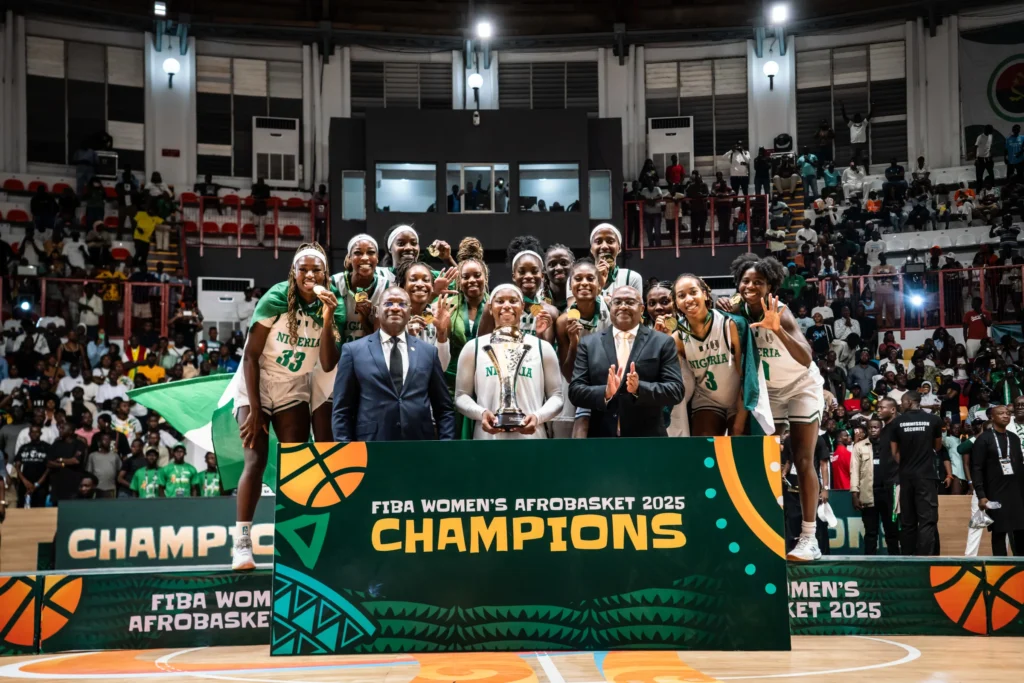
Nigeria secured their place at the tournament after winning a record fifth consecutive FIBA Women’s Afrobasket title in 2025, further cementing their dominance on the African continent.

That triumph also confirmed their qualification for the expanded 16-team World Cup in Germany and extended their strong unbeaten run in continental competitions.
Underlining their growing reputation on the global stage, D’Tigress have continued to test themselves against elite opposition in recent years.
At the Paris 2024 Olympics, they made history by becoming the first African women’s basketball team to reach the quarterfinals, including a landmark win over Australia before losing 74–88 to eventual champions the United States.
They also faced France in the tournament, where they suffered a heavy defeat, highlighting the gap they are working to close against Europe’s elite.
More recently, at the FIBA Women’s World Cup qualifying tournament in Lyon, Nigeria pushed France to a close 93–86 contest after a strong second-half comeback, before also falling to Germany in another competitive outing.
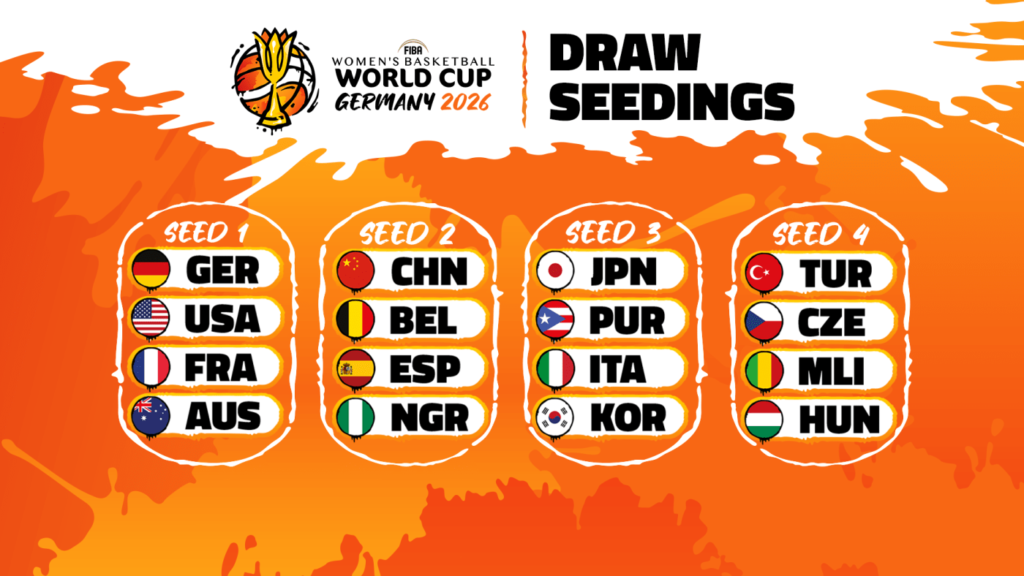
With Pot 1 featuring host Germany, defending champions USA, France and Australia, Nigeria are certain to face one of the tournament favourites in the group stage.
FIBA draw regulations also ensure each group contains only one African team, meaning D’Tigress will avoid fellow continental side Mali in the opening round. Additional rules limit groups to a balanced mix of teams from different regions.
The 2026 edition, set for September 4–13, will be the first to feature 16 teams, reflecting the expanding profile of women’s basketball globally.
For D’Tigress, the objective is clear: build on their continental dominance and push further on the world stage against the sport’s traditional powerhouses.