The Federal Government is reviewing plans for the rehabilitation and possible full replacement of some ageing bridges in Lagos following fresh engineering assessments that revealed serious structural defects beneath key transport links connecting Lagos Island and the mainland.
Minister of Works David Umahi disclosed that ongoing technical evaluations showed that although rehabilitation works above water had made progress, major underwater structural issues had raised concerns over the long-term durability of continued repairs on bridges including Carter Bridge and the Third Mainland Bridge.


According to Umahi, government authorities are now examining whether complete reconstruction would be more cost-effective than repeated rehabilitation projects.
He explained that earlier assessments indicated that repairs on Carter Bridge could cost up to N380bn, while constructing a new cable-stayed bridge had initially been estimated at about N320bn.
The minister said investigations carried out in 2013, 2019 and under the current administration identified severe underwater damage, including corroded piles and detached pile caps, with engineering experts reportedly concluding that Carter Bridge could no longer be effectively salvaged.
Following the findings, the Federal Executive Council approved the demolition and reconstruction of Carter Bridge at a revised cost of N548.98bn. Officials said the new structure would be expanded from 1.525km to 1.93km and include additional flyover ramps aimed at easing traffic congestion.
Umahi stated that the decision followed consultations with engineers and contractors, including officials from Julius Berger, who advised that a new bridge structure could last up to 100 years and potentially attract international financing support.
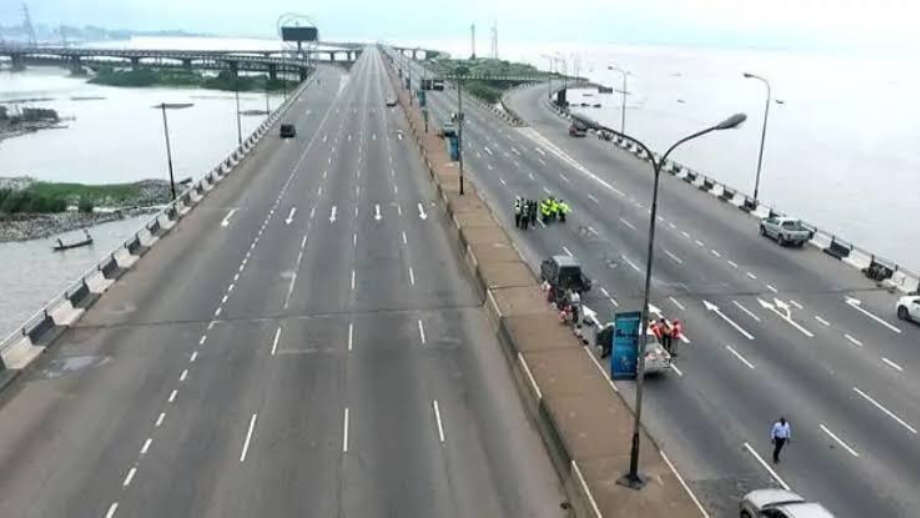
Meanwhile, the government has also approved N24.89bn for underwater rehabilitation works on the Third Mainland Bridge, with Julius Berger handling the project.
Officials said Lagos’ bridge infrastructure has faced years of pressure from increasing traffic volumes and harsh marine conditions, prompting authorities to reassess long-term solutions for some of the state’s busiest transport routes.